

 Facebook
 Google
 LinkedIn
https://lasma.eu/en/search/products
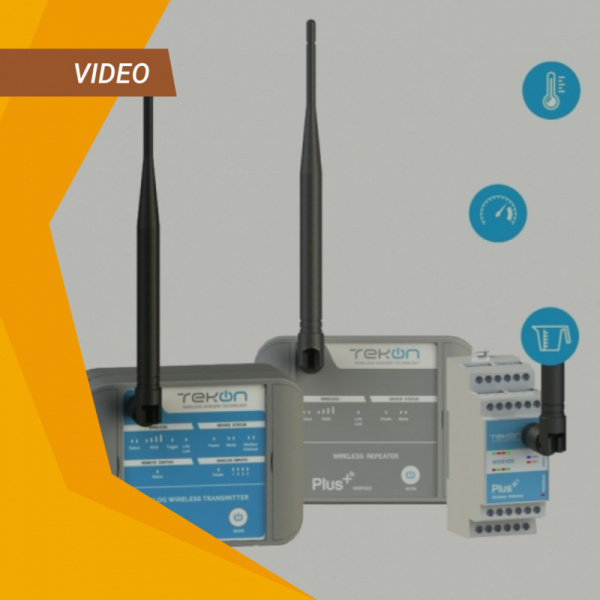
Wireless systems are critical for modern industrial environments where flexible communication and remote monitoring are necessary. These systems facilitate seamless data transmission, often replacing traditional wired solutions, which can be costly and difficult to implement in dynamic settings. Wireless networks are used to connect a variety of devices, such as sensors, controllers, and human-machine interfaces (HMI), enabling real-time data collection and control across different industrial processes without the need for extensive cabling infrastructure.
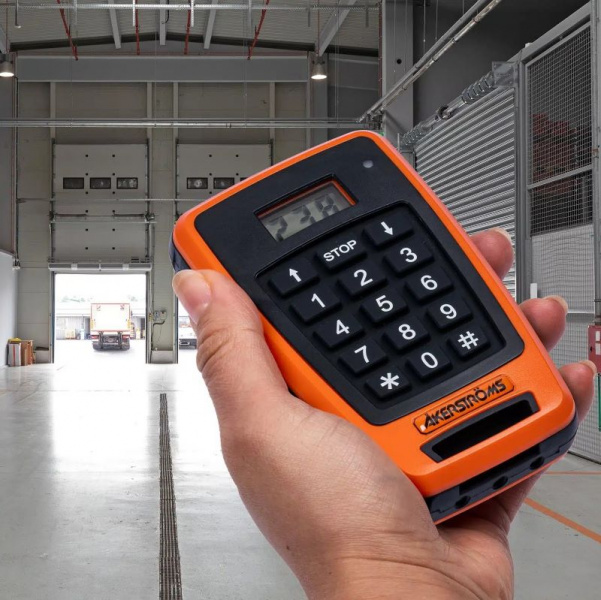
Wireless communication is especially useful in challenging industrial environments where physical connectivity is impractical. In industries such as manufacturing, logistics, and utilities, wireless systems are deployed to monitor equipment performance, ensure safety, and provide process automation. Systems like Modbus RTU and TCP/IP networks are used to gather data from sensors and controllers, facilitating remote control and monitoring. Wireless control systems, such as Akerstrom remote control solutions, allow operators to manage devices from significant distances, improving operational efficiency.
One of the main advantages of wireless systems is the increased flexibility they offer. These systems can be rapidly deployed and scaled as needed, without the limitations imposed by physical cables. Wireless systems are also more cost-effective in terms of installation and maintenance. Additionally, they support a wide range of applications such as remote data acquisition, condition monitoring, and remote equipment control, which are essential for reducing downtime and improving operational safety. Wireless HMI duplication systems, like VNC viewer solutions, are ideal for real-time monitoring and interaction with processes from remote locations.