
Wireless systems

Function
Manufacturer
Type
Working Range
Working Range (m)
EEP-4562
Code: EEP-4562
On site: 2 pcs On site: 0 pcs

Supplier:

50.41 EUR
37.81 EUR (w/o VAT)
EEP-8502
Code: EEP-8502
On site: 1 gab On site: 0 gab

Supplier:

40.90 EUR (w/o VAT)
RBOmniTikPG-5HacD
Code: RBOmniTikPG-5HacD
On site: 1 gab On site: 0 gab

Supplier:

127.15 EUR (w/o VAT)
EEP4872EN
Code: EEP4872EN
On site: 1 pcs On site: 0 pcs

Supplier:

235.00 EUR
141.00 EUR (w/o VAT)
RFSAI61B
Code: RFSAI61B
On site: 1 gab On site: 0 gab

Supplier:

67.84 EUR
61.06 EUR (w/o VAT)
EEP-4684EN
Code: EEP-4684EN
On site: 1 gab On site: 0 gab

Supplier:

245.00 EUR
122.50 EUR (w/o VAT)
933719-000
Code: 933719-000
On site: 0 gab On site: 0 gab

Supplier:

112.42 EUR (w/o VAT)
S5-940156000
Code: S5-940156000
On site: 0 gab On site: 0 gab

Supplier:

203.08 EUR (w/o VAT)
947046000
Code: 947046000
On site: 0 gab On site: 0 gab

Supplier:

100.00 EUR (w/o VAT)
No image available
Code: 947051000
On site: 0 gab On site: 0 gab

Supplier:

226.15 EUR (w/o VAT)
S5-946858000
Code: S5-946858000
On site: 0 gab On site: 0 gab

Supplier:

140.00 EUR (w/o VAT)
S5-942407-000
Code: S5-942407-000
On site: 0 gab On site: 0 gab

Supplier:

250.00 EUR (w/o VAT)
940341000
Code: 940341000
On site: 0 gab On site: 0 gab

Supplier:

167.69 EUR (w/o VAT)
EEP-8489
Code: EEP-8489
On site: 0 pcs On site: 0 pcs

Supplier:

45.07 EUR (w/o VAT)
ZBRACS
Code: ZBRACS
On site: 0 gab On site: 0 gab

Supplier:

17.61 EUR (w/o VAT)
ERA6BRX110
Code: ERA6BRX110
On site: 0 gab On site: 0 gab

Supplier:

920.00 EUR (w/o VAT)

Wireless systems

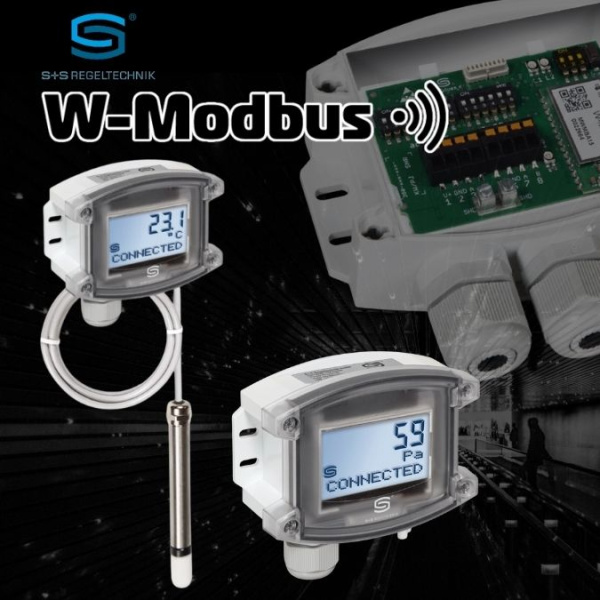
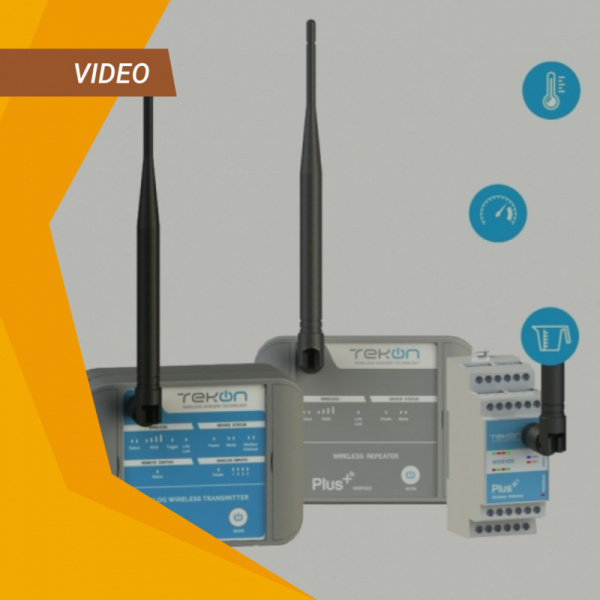
Wireless systems are critical for modern industrial environments where flexible communication and remote monitoring are necessary. These systems facilitate seamless data transmission, often replacing traditional wired solutions, which can be costly and difficult to implement in dynamic settings. Wireless networks are used to connect a variety of devices, such as sensors, controllers, and human-machine interfaces (HMI), enabling real-time data collection and control across different industrial processes without the need for extensive cabling infrastructure.

Key Applications of Wireless Systems

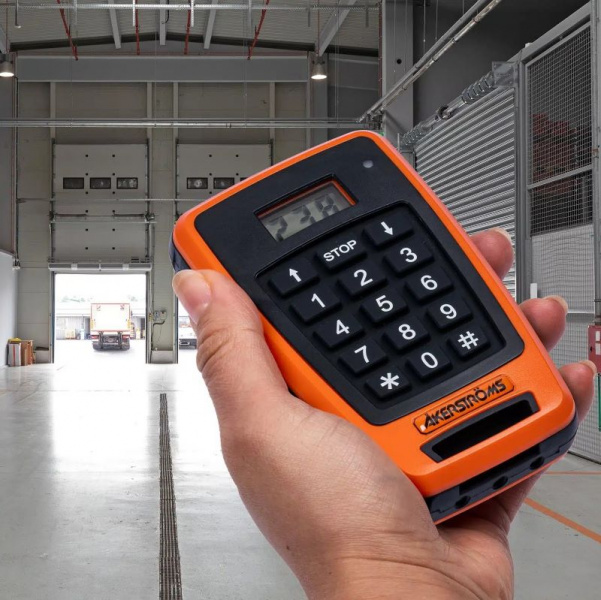
Wireless communication is especially useful in challenging industrial environments where physical connectivity is impractical. In industries such as manufacturing, logistics, and utilities, wireless systems are deployed to monitor equipment performance, ensure safety, and provide process automation. Systems like Modbus RTU and TCP/IP networks are used to gather data from sensors and controllers, facilitating remote control and monitoring. Wireless control systems, such as Akerstrom remote control solutions, allow operators to manage devices from significant distances, improving operational efficiency.

Efficiency and Flexibility with Wireless Systems

One of the main advantages of wireless systems is the increased flexibility they offer. These systems can be rapidly deployed and scaled as needed, without the limitations imposed by physical cables. Wireless systems are also more cost-effective in terms of installation and maintenance. Additionally, they support a wide range of applications such as remote data acquisition, condition monitoring, and remote equipment control, which are essential for reducing downtime and improving operational safety. Wireless HMI duplication systems, like VNC viewer solutions, are ideal for real-time monitoring and interaction with processes from remote locations.
How to Choose the Right Wireless System

  1. Assess your operational requirements, focusing on areas where physical cabling is impractical or costly.
  2. Determine the types of data and devices that need to be connected, ensuring compatibility with existing network protocols like Modbus RTU or TCP/IP.
  3. Evaluate the range and signal strength needed for effective communication, especially in environments with interference or long distances.

  4. Select a wireless system that offers secure data transmission, protecting sensitive operational information from unauthorized access.

  5. Consider scalability for future expansion, choosing systems that can accommodate additional devices and users as operations grow.
  6. Ensure compliance with industry standards and safety regulations to guarantee the system’s long-term reliability and security.