 Facebook
 Google
 LinkedIn
https://lasma.eu/en/search/products

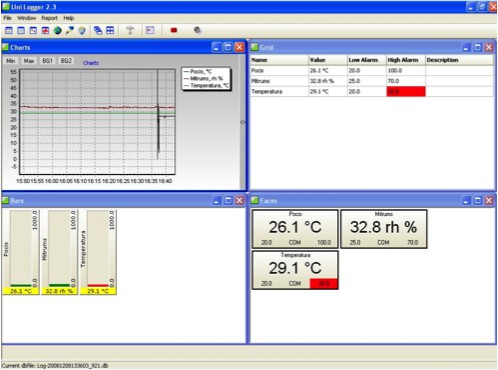
Data registration devices capture, timestamp, and store process variable data across industrial plants — from single-channel data loggers on a cold store door to 32-channel paperless recorders on a pharmaceutical batch line. Engineers specify these products when process data must be retained for quality audits, regulatory compliance, or operational analysis. They replace or supplement paper chart recorders with digital storage, network connectivity, and structured export formats.
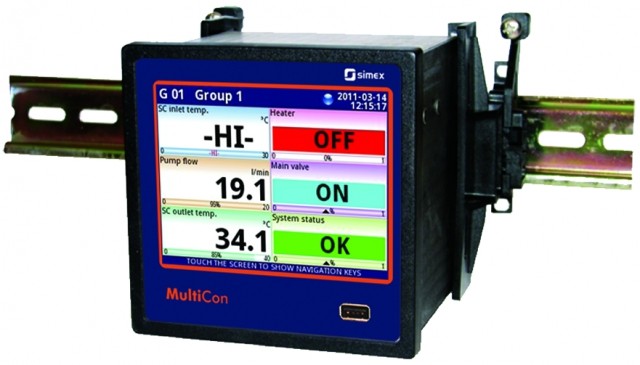
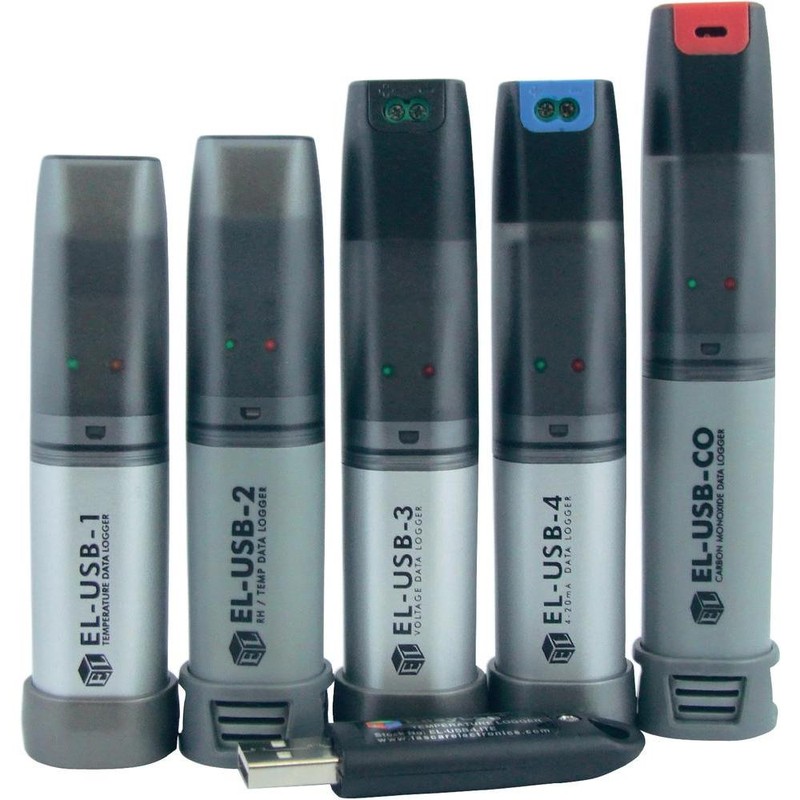
Data registration covers hardware and software used to capture and store process variable data with timestamps. The main product types are:
| Product Type | Typical Channels | Primary Use | Key Feature |
|---|---|---|---|
| Paperless recorder | 4–32 | Process industries, pharma | Touchscreen, audit trail, network export |
| Data logger | 1–16 | Cold chain, HVAC, field use | Portable, USB/SD storage, low power |
| Chart recorder | 1–6 | Legacy and regulated sites | Paper-based hard copy record |
| Counter / totalizer | 1–4 pulse inputs | Production counting, flow totals | Cumulative register, batch preset |
| Event recorder | 8–64 digital inputs | Substation, safety systems | Millisecond timestamp resolution |
Yes, provided the new unit accepts the same input signal types and fits the panel cutout. Most modern paperless recorders support standard 4–20 mA and thermocouple inputs and offer comparable panel dimensions.
Dedicated paperless recorders from Honeywell, Eurotherm, Yokogawa, and Endress+Hauser offer built-in audit trails and electronic signature functions specifically designed for 21 CFR Part 11 environments.
Choose a recorder or data logger with a native PROFINET interface. Alternatively, Modbus TCP is widely supported and can integrate via a PROFINET-to-Modbus gateway if needed.
Yes, any device installed directly in a Zone 2 area requires ATEX certification. For control room panel installations outside the hazardous zone, standard industrial-rated equipment is sufficient.