Facebook
 Google
 LinkedIn
https://lasma.eu/en/search/products
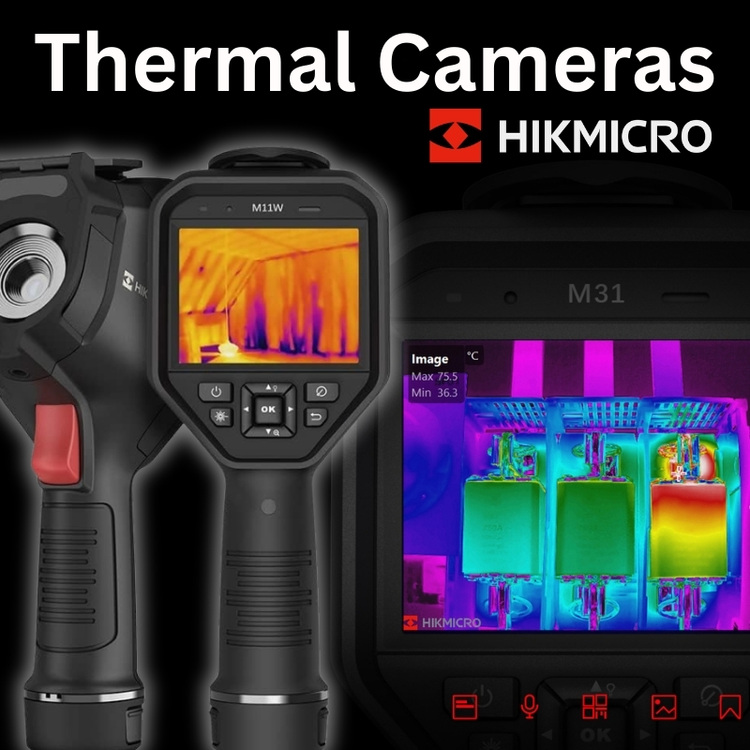
Thermal cameras (thermal imagers) detect infrared radiation to visualize temperature differences without contact. This category includes portable, hand-held cameras for inspections at different locations and stationary, fixed cameras for monitoring defined areas or processes. Explore the differences in camera design, thermal image detail, measurement functions and installation needs.
Thermal cameras, also called thermal imagers, detect infrared radiation emitted by objects and convert it into a visual representation of temperature differences. This makes thermography useful for observing surface temperature patterns without physical contact.
Some thermal cameras provide images showing relative thermal contrast, while radiometric models also calculate temperature values. The displayed colours are a visual palette: they help interpret the image but do not independently establish a temperature measurement.
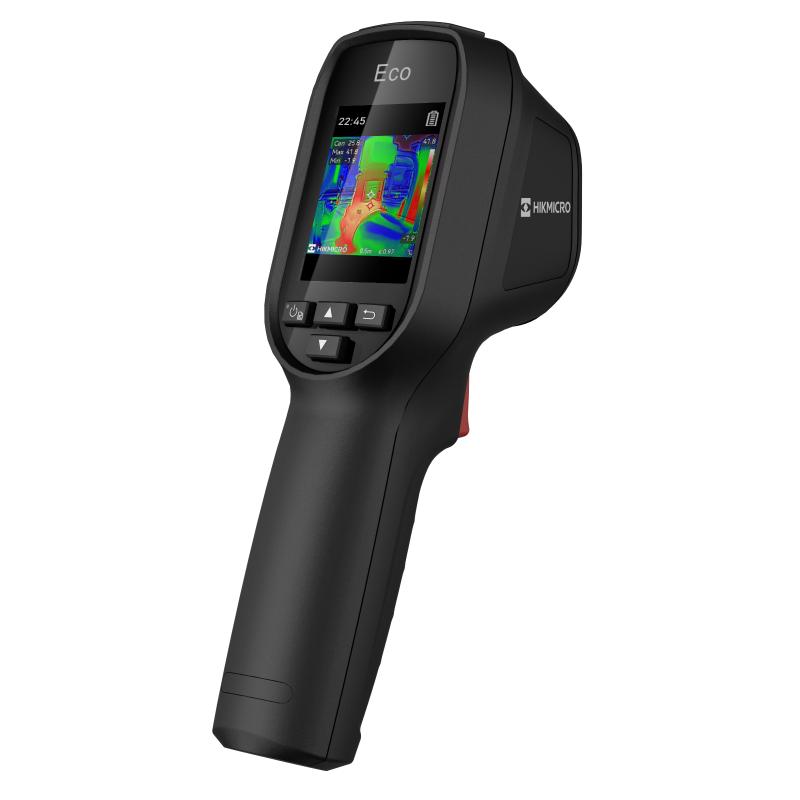
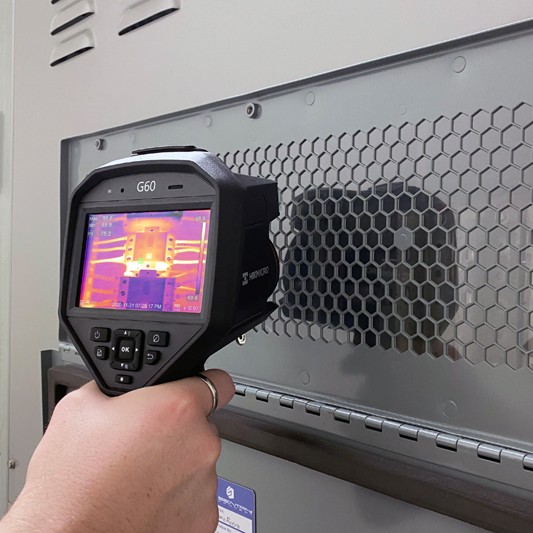
Portable (hand-held) thermal cameras are moved between inspection points. They are suited to tasks where an operator needs to examine different components or locations, change the viewing angle, and record observations during an inspection. Examples include checking electrical equipment, mechanical assemblies and building surfaces for unusual thermal patterns.
Stationary (fixed) thermal cameras are installed at a selected location to observe a defined area or process. They can be considered when temperature patterns need to be observed repeatedly or over extended periods. Depending on the model, functions may include continuous image output, temperature-based alarms or communication with monitoring systems. Model capabilities vary and should be checked against the intended monitoring task for each application.
Start with the inspection task and how the camera will be used. Useful specifications to compare include:
Infrared resolution: the number of thermal detector pixels, influencing the detail visible in the image.
Field of view and optics: the area covered at a given distance and the size of details that can be observed.
Temperature measurement range: the surface temperatures a measuring model is designed to assess.
Thermal sensitivity: how small a temperature difference the detector can distinguish under stated conditions.
Measurement and data functions: availability of radiometric readings, image storage, analysis tools, alarm functions or interfaces, where required.
For fixed installations, also examine mounting position, power requirements, environmental conditions and communication options. For portable inspections, consider handling, display, battery operation and how inspection results are documented.
A thermal image reflects radiation reaching the detector; it is not automatically an exact map of the object's true surface temperature. Emissivity describes how effectively a surface emits thermal radiation. Reflective materials can also direct radiation from surrounding objects into the camera. Distance, atmospheric conditions and viewing geometry may further affect results.
For temperature measurements, check whether the camera supports appropriate settings and follow the manufacturer's instructions. Thermal imaging can help compare operating conditions and reveal areas worth investigating, but an unusual pattern alone does not identify the cause of a fault. Interpret findings alongside operating conditions and other inspection methods.
Portable thermal cameras are designed for inspections at different locations, allowing an operator to move between equipment and select viewing angles. Stationary thermal cameras are installed in a fixed position to observe a defined area or process. Fixed models may support continuous monitoring, alarms or system integration, depending on their specifications.
No. Some thermal cameras primarily display differences in infrared radiation, while radiometric models provide calibrated temperature measurements. Even with radiometric cameras, measurement accuracy depends on factors such as surface emissivity, reflected radiation, distance and environmental conditions. The manufacturer's measurement specifications and instructions should be consulted.
Infrared resolution describes the number of detector pixels used to form the thermal image. Higher resolution can provide more image detail, although optics and viewing distance also matter. Thermal sensitivity describes the detector's ability to distinguish small temperature differences. Both specifications should be evaluated in relation to the size of the target and the inspection requirements.