 Facebook
 Google
 LinkedIn
https://lasma.eu/en/search/products
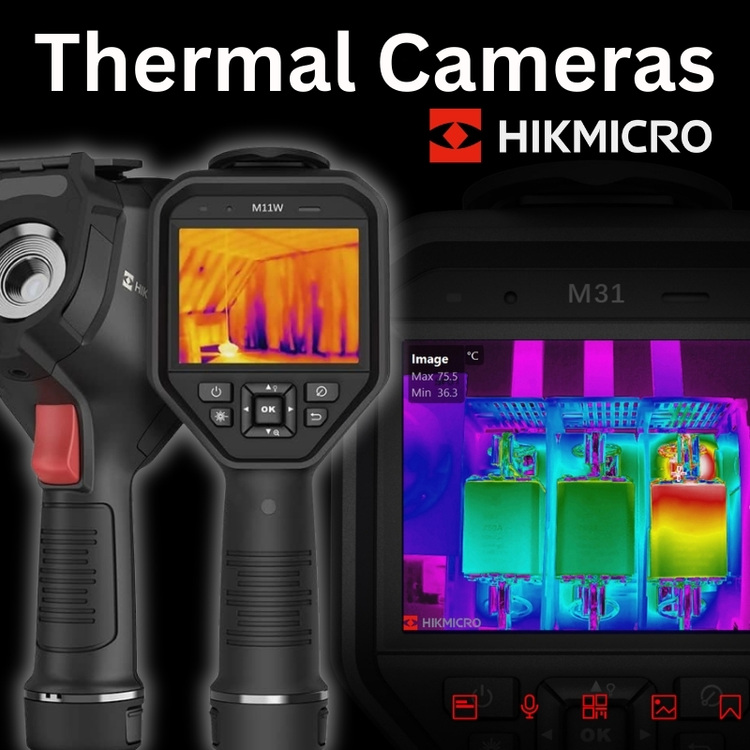
Hikmicro solutions are based on thermal imaging — a technology that captures infrared radiation and converts it into a visible image. This allows non-contact and non-stop equipment detection of temperature anomalies, which are often the first sign of a possible defect.
With a thermal camera, it is possible to quickly identify, for example:
an overheated bearing or motor;
a loose electrical connection;
a friction-generated hot spot;
insulation damage or heat losses.
That is why thermal diagnostics becomes an important tool in predictive maintenance — regular inspections help detect problems early and prevent unexpected equipment downtime.
Hikmicro technology is also based on the company's active investment in development — more than 15% of turnover is invested in research and development, and the entire production cycle is ensured in its own factories. This allows for stable quality and rapid product availability.
One of the main innovations is the SuperIR image enhancement technology, which uses neural network algorithms to increase the effective pixel count and provide more detailed thermal images and more precise heat source localization.
Thermal imaging provides several practical benefits in industrial maintenance and process monitoring.
Early defect detection
Overheating, friction, or electrical connection problems become visible before damage occurs.
Non-contact measurements
Inspections can be performed safely and often without stopping equipment.
Identification of energy losses
Equipment operating outside optimal temperature ranges often consumes more energy.
Convenient documentation
The HIKMICRO Viewer and HIKMICRO Analyzer software allow analysis of thermal images and preparation of professional reports.
Long-term reliability
The manufacturer provides a 3-year product warranty and up to 10-year detector warranty, which is essential in industrial environments.
As a result, thermal imaging becomes a practical tool for companies aiming to reduce downtime, improve safety, and make data-driven maintenance decisions.
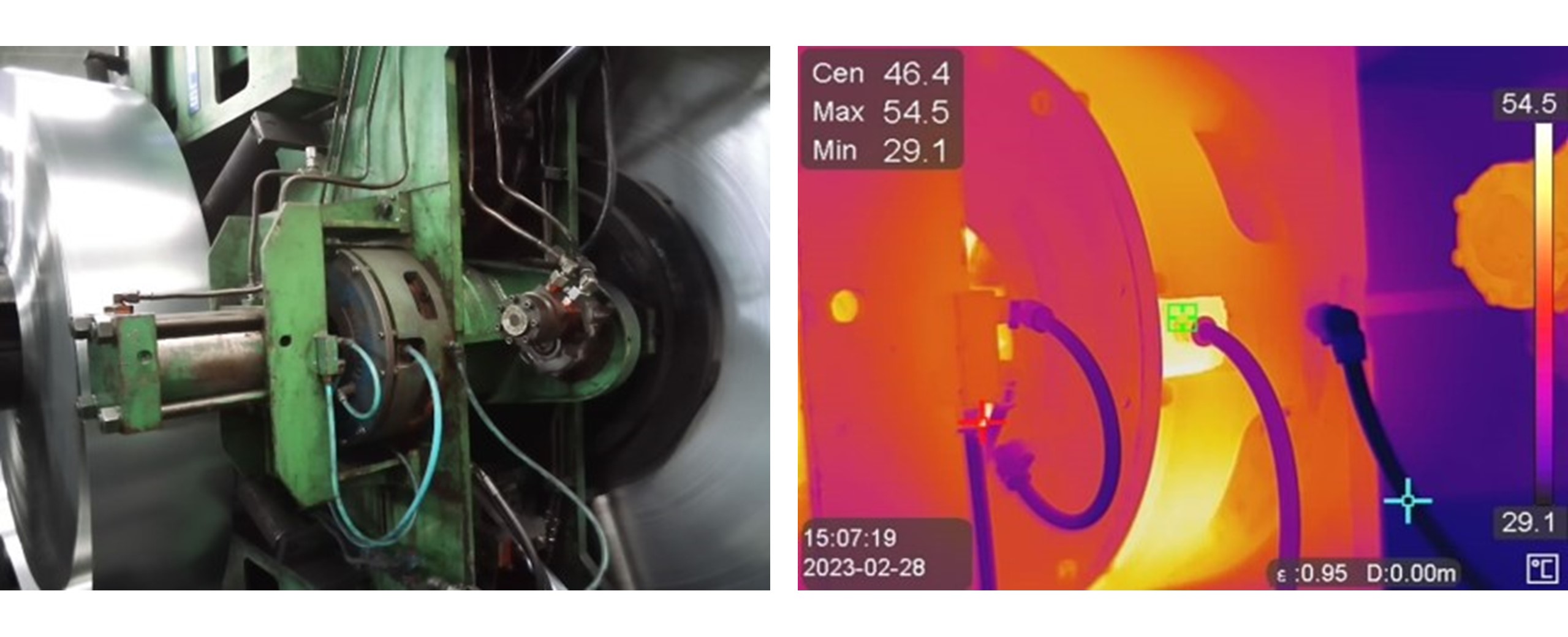
Portable thermal cameras are one of the most practical tools for industrial maintenance. They allow technicians to quickly check equipment temperature during work — in the production hall, electrical distribution cabinet inspections, or conveyor line monitoring.
HIKMICRO offers several series of thermal cameras with different resolutions, temperature ranges, and functionalities to choose the most suitable tool for each situation. Precise specifications depend on the particular model and should be verified in the manufacturer's datasheet.
| Series | Thermal Resolution | Temperature Range | NETD Sensitivity | Typical Industrial Application |
|---|---|---|---|---|
| Mini series | from 96×96 to 256×192 | from -20 °C to 400 °C | below 40 mK | Quick checks, HVAC/building diagnostics, electrical and mechanical maintenance |
| Eco series | 96×96 (SuperIR up to 240×240) | from -20 °C to 350–550 °C | below 40–50 mK | Everyday thermal visualization and equipment monitoring |
| B series | 256×192 | from -20 °C to 550 °C | below 40 mK | Industrial equipment maintenance, electrical node analysis |
| Pocket series | 96×96 / 256×192 | from -20 °C to 400 °C | below 40–50 mK | Compact cameras for mobile inspections and quick diagnostics |
| M series | 384×288 | from -20 °C to 550 °C | below 35 mK | Predictive maintenance, monitoring of motors and transformers |
| G series | from 384×288 to 640×512 | from -20 °C to 650 °C | below 35 mK | Heavy industry and dynamic process monitoring |
| SP60 series | 640×480 (up to 1280×960) | up to 2200 °C | below 30 mK | High-precision monitoring in furnaces and metallurgy |
| SP100H series | from 1040×832 to 2080×1664 | up to 2200 °C | below 20 mK | Detailed thermal analysis in high-temperature processes |
| SP120H series | from 1280×1024 to 2560×2048 | up to 2200 °C | below 20 mK | Top-class thermography for critical process control tasks |
| BX20 (ATEX) | 256×192 | from -20 °C to 550 °C | below 40 mK | Thermal monitoring in explosive environments (ATEX / IECEx) |
| Firefighting series (FP / FB / FT) | 256×192 / 384×288 | from -20 °C to 550 °C | below 30–40 mK | Rescue operations and safety thermography |
| AI56 Acoustic Camera | — | N/A (acoustic sensor) | — | Gas leak and partial discharge localization |
Each series is designed for specific tasks — from quick checks and daily maintenance to high-precision analysis in heavy industry or high-temperature processes.
NETD (Noise Equivalent Temperature Difference) characterizes the thermal camera's sensitivity — how small a temperature difference it can detect. The lower this value, the more accurately the camera can detect early temperature anomalies.
Portable thermal cameras are excellent for periodic inspections, but many industrial processes require continuous temperature control. In such cases, stationary thermal systems and pyrometers are used, operating 24/7 and automatically monitoring critical processes.
HIKMICRO stationary thermal cameras and pyrometers are designed for integration into industrial automation systems. They can be connected to production lines, SCADA systems, or PLC (programmable logic controllers) using standard industrial communication protocols such as Modbus, Ethernet, or 4–20 mA signals.
Such solutions allow timely detection of temperature deviations and automatic activation of alerts or protective mechanisms.
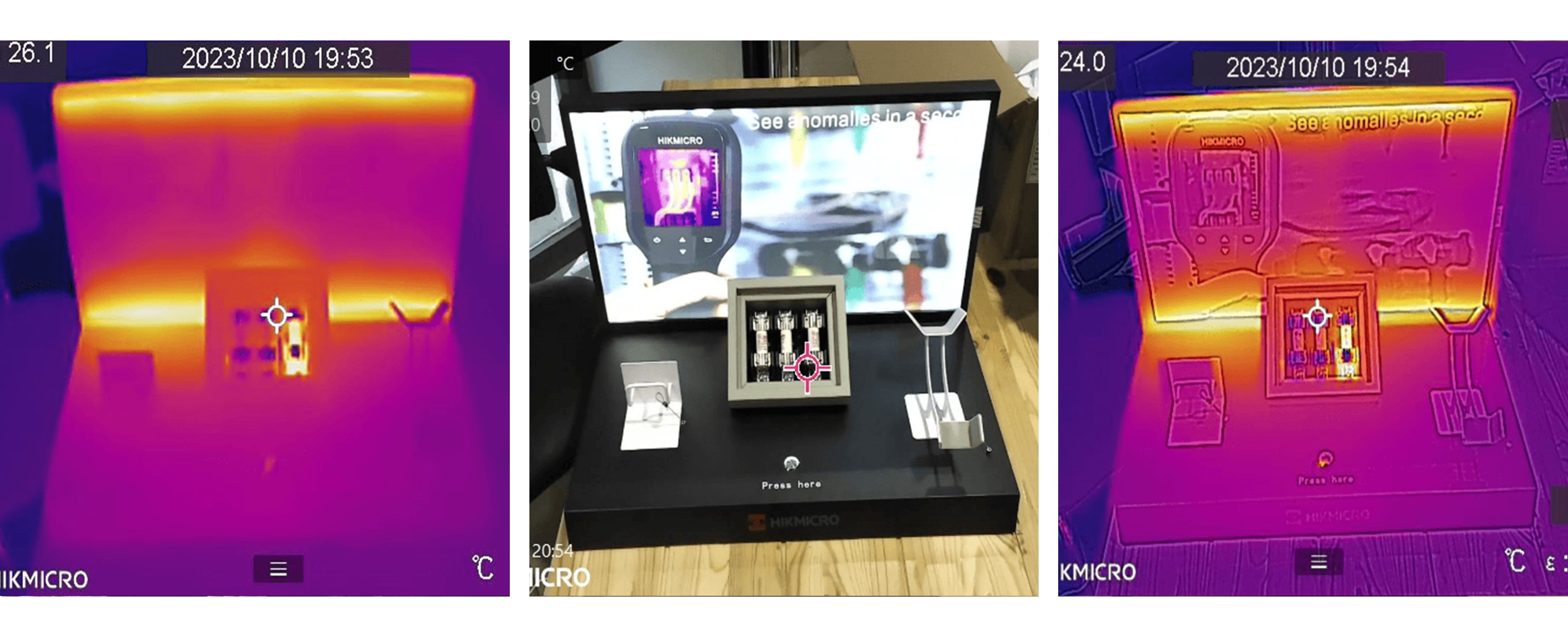
HIKMICRO offers several types of stationary thermal cameras for different industrial tasks — from general process monitoring to extreme temperature control.
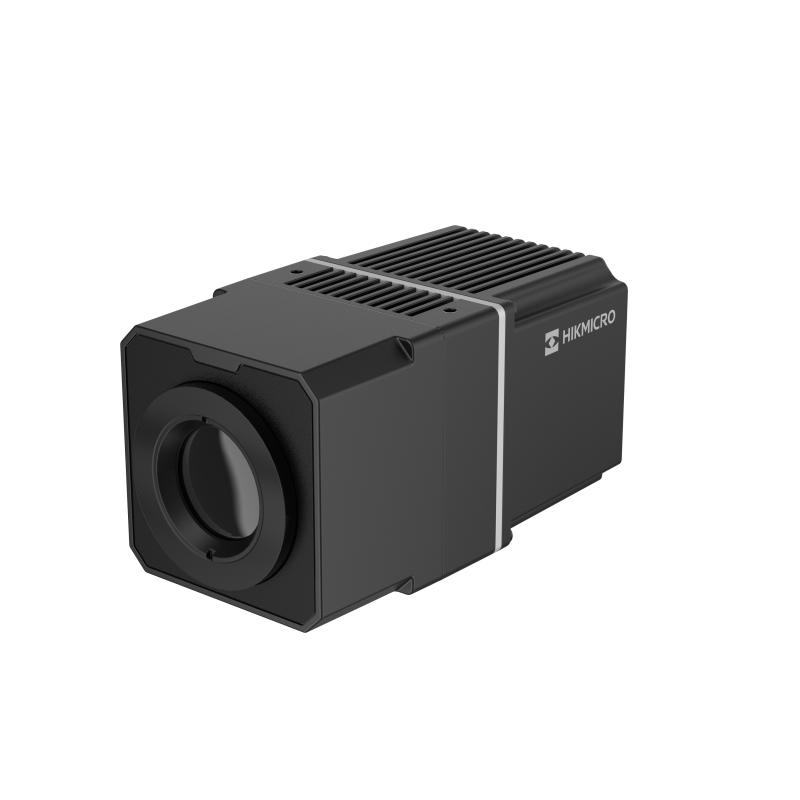
 Box-type camera with fixed focus (Focus-Free)
A stationary thermal camera without manual focusing; provides stable operation and easy integration into industrial systems.
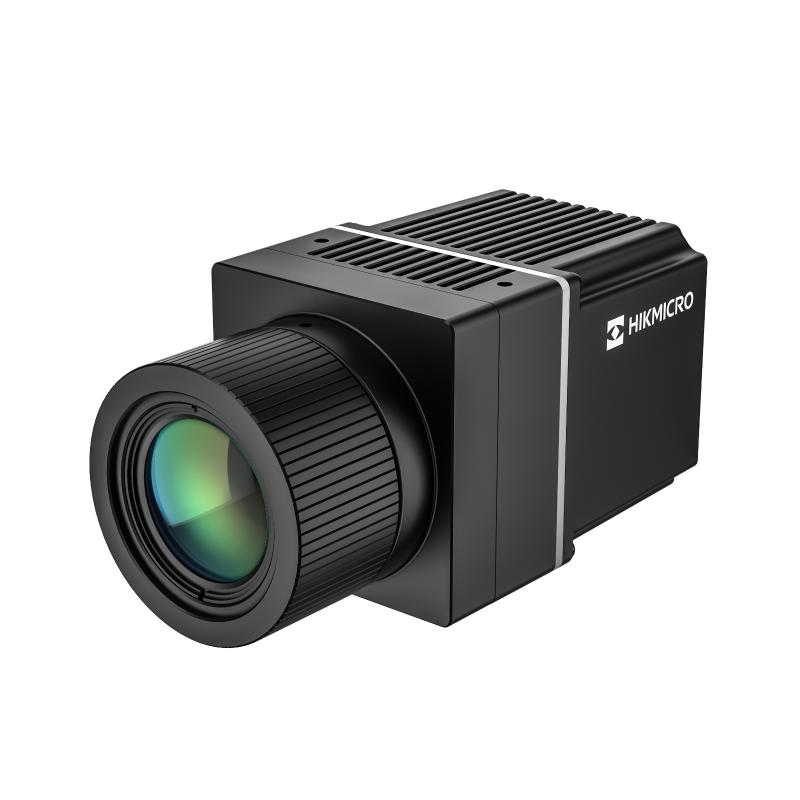
 Box-type camera with autofocus
A thermal camera with automatic focusing, ensuring precise temperature analysis at various distances.
 High-temperature Box-type camera
Specifically calibrated thermal camera for high-temperature processes.
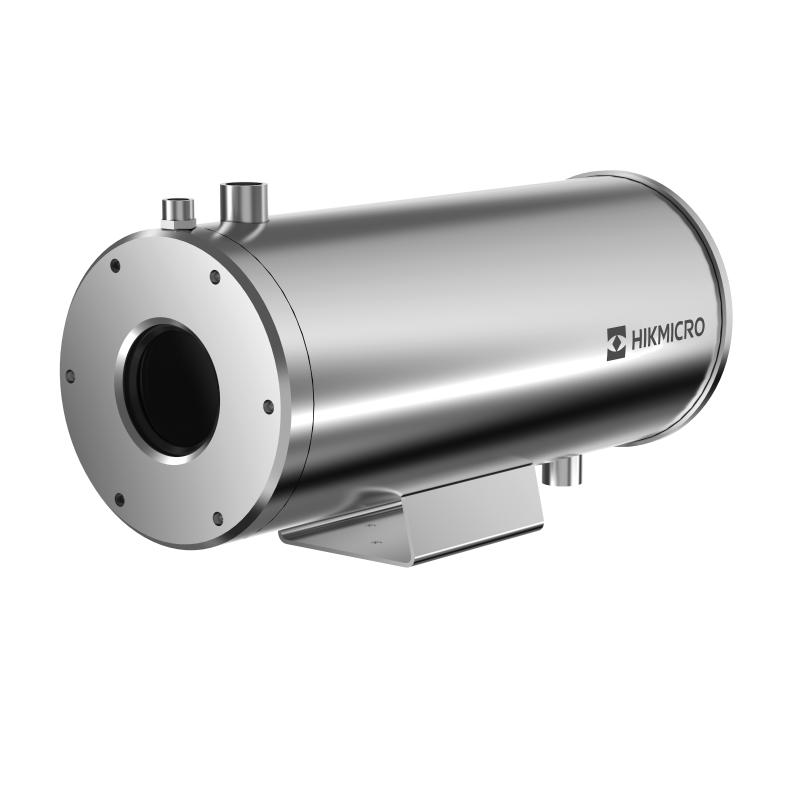 Heat-resistant Box-type camera with housing
A thermal camera with protective housing and cooling capabilities for operation in high ambient temperature environments.
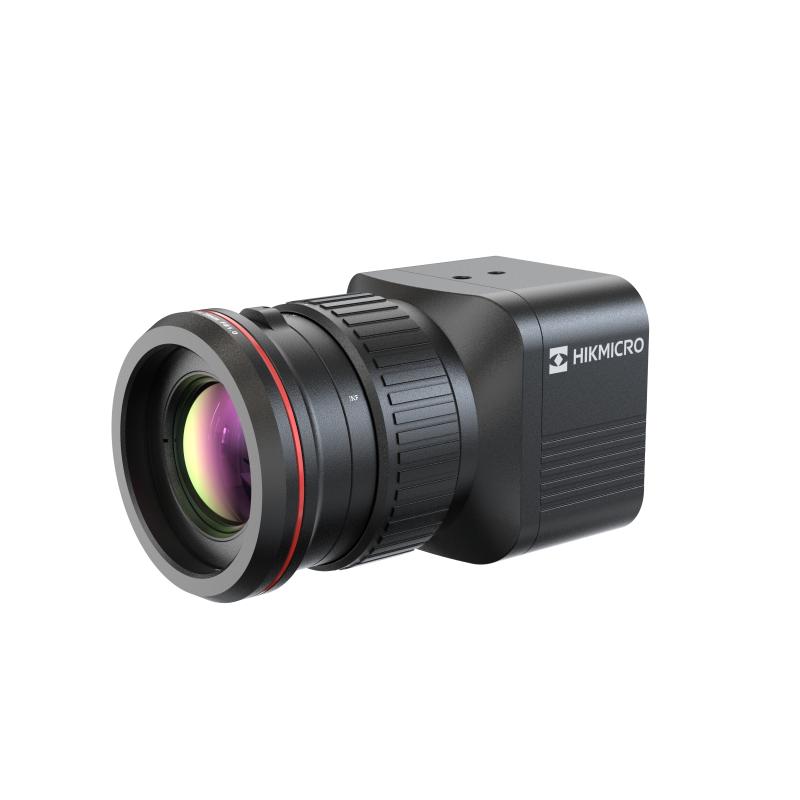 R&D series Box-type camera
High-precision thermal camera with extended analysis functions (measurement points, lines, and zones).
In addition to thermal cameras, HIKMICRO also offers pyrometers — non-contact temperature sensors that measure temperature very precisely at a single point. They provide fast response and high accuracy in high-temperature processes.
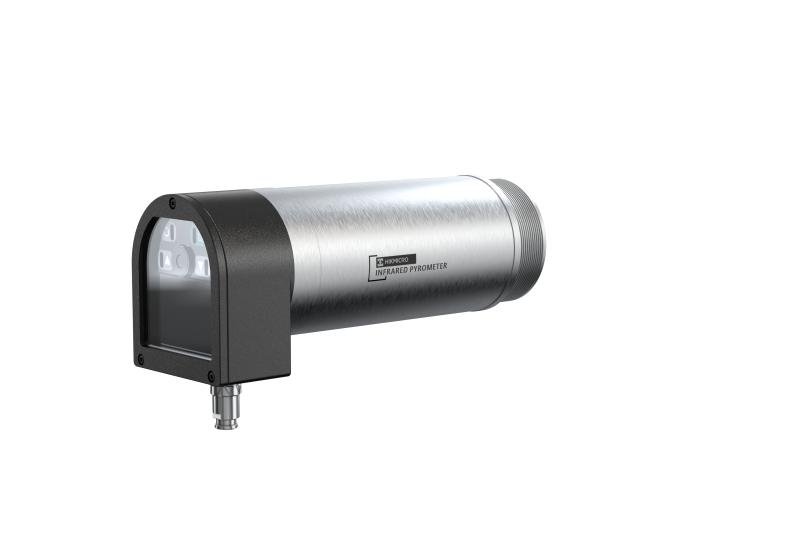 PD1 series
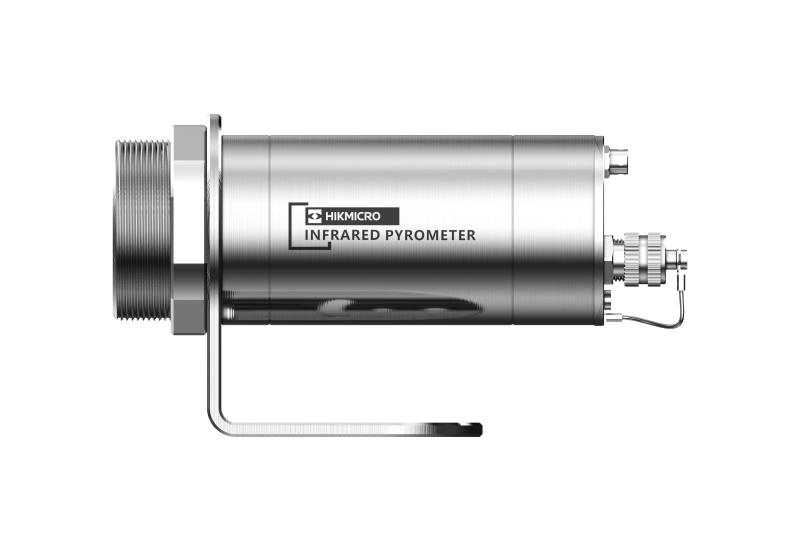 PS2 / PD2 series
These solutions allow automating temperature control in critical processes where even a slight temperature deviation can affect product quality or equipment safety.
HIKMICRO thermal and acoustic diagnostic solutions are used in a wide variety of industrial sectors. They help detect temperature deviations, mechanical defects, or leaks early, which otherwise could lead to equipment damage, downtime, or safety risks.
Below are some of the most common industrial applications.
Electrical cabinets often develop localized hot spots caused by loose connections, overloaded circuit breakers, or worn contacts. These problems are visible in thermal images well before electrical failure or fire risk occurs.
Using M series or SP60 series cameras, technicians can inspect equipment while it is operating, without shutting down the power system.
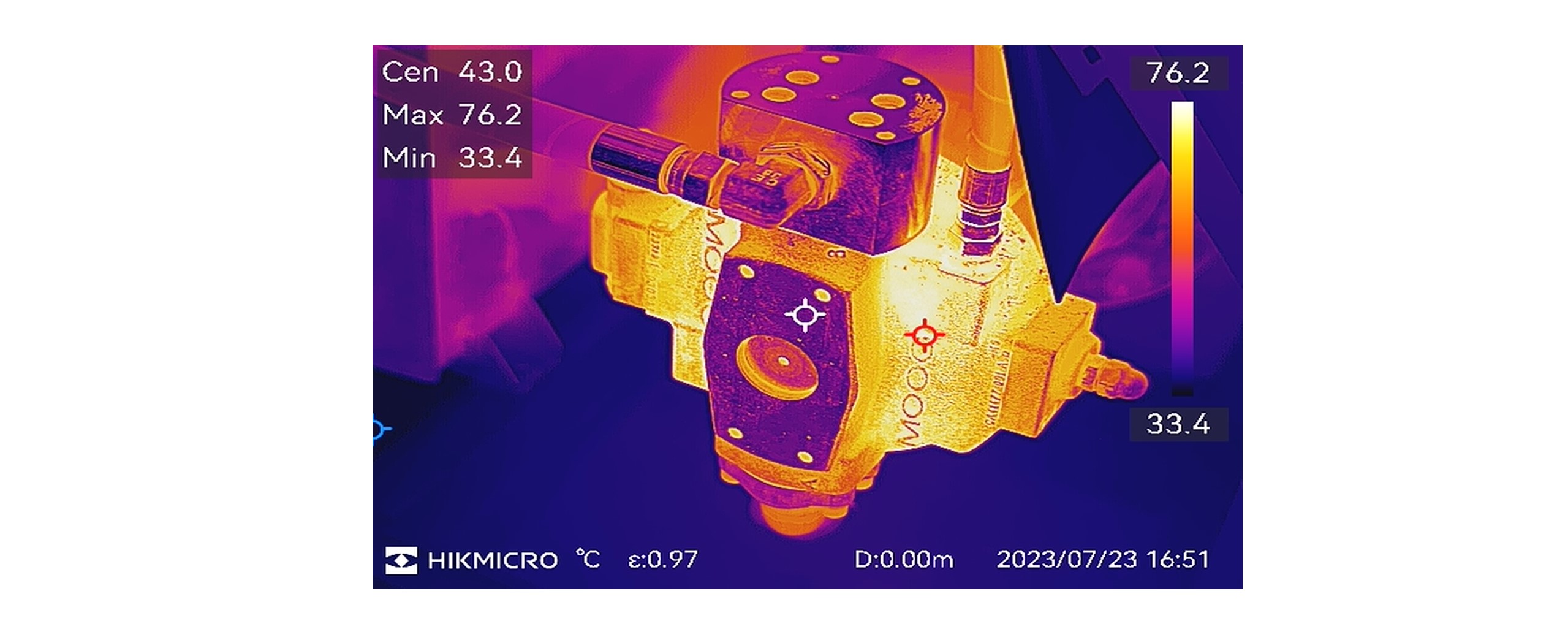 Monitoring of Motors, Bearings, and Conveyors
An overheated bearing or drive unit can halt an entire production line. Regular thermal inspection helps detect lubricant shortage, friction, or bearing wear in time.
For such tasks, B series or M series cameras are often used to uncover problems before unexpected downtime occurs.
Steam systems are widely used in food production, pharmaceuticals, oil refining, and other industries. Thermal imaging helps identify:
These issues can be detected without stopping processes or changing system operating modes.
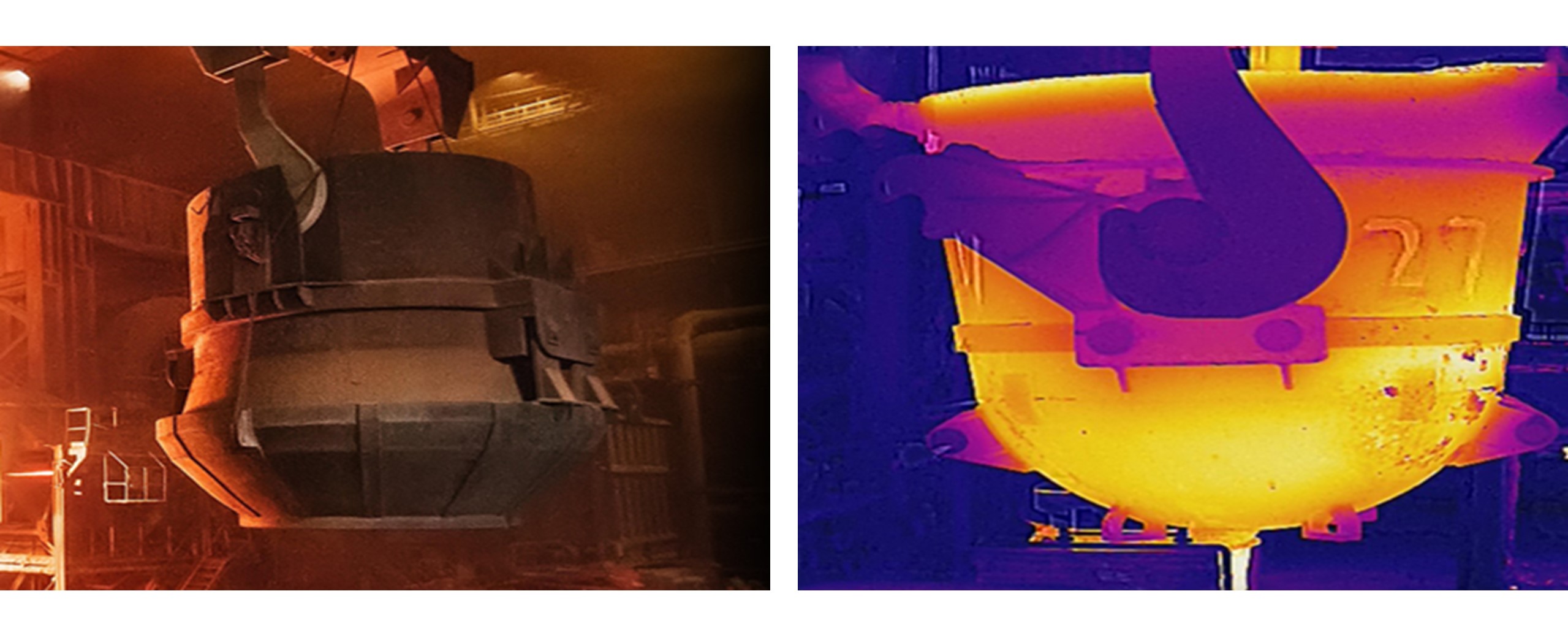
In metallurgy, glass production, or cement kilns, temperature control is critically important. Stationary High Temp Box-type thermal cameras and PD1 series pyrometers are used, designed for operation at temperatures up to 1800–3200 °C.
Such solutions ensure continuous process monitoring and help maintain stable product quality.
 Gas and Compressed Air Leak Detection
The AI56 Acoustic Camera complements thermal diagnostics in cases where leaks do not cause temperature changes. The camera uses a 256-microphone array that detects ultrasonic frequencies and visualizes leak sources in real-time even in noisy industrial environments.
It can detect very small leaks (down to approximately 0.0003 CFM) and simultaneously shows leak volume, potential costs, and severity assessment.
In the chemical industry, oil and gas sectors, or explosives manufacturing, standard electronics use is often prohibited without special certification.
The BX20 ATEX thermal camera is designed for use in such environments and complies with ATEX and IECEx standards, allowing safe thermal monitoring in areas with explosive gas or dust concentrations.
Predictive or predictive maintenance relies on regular or continuous monitoring of equipment condition. Its goal is to perform maintenance exactly when needed — not too early, causing unnecessary costs, and not too late, after failure or downtime has occurred.
Thermal imaging is one of the most effective diagnostic tools in such programs. Temperature changes are often the first sign that equipment is operating outside normal parameters — for example, increased friction, electrical overload, or cooling deterioration.
The HIKMICRO product range is designed to cover the entire maintenance process — from daily inspections to automated monitoring:
Software that helps analyze and document measurement results also plays a crucial role.
HIKMICRO Analyzer allows engineers to analyze radiometric images (images where each pixel has a true temperature value), perform detailed temperature analysis, and prepare professional reports.
HIKMICRO Viewer, in turn, is a mobile application that provides wireless video streaming, on-site data viewing, and quick information sharing within teams.
By combining thermal cameras, stationary sensors, and analysis software, it is possible to create an efficient equipment monitoring system that helps reduce downtime, improve safety, and optimize maintenance costs.