 Facebook
 Google
 LinkedIn
https://lasma.eu/en/search/products

A good BMS system is not just a controller and a 'nice' visualization. In fact, it all starts with how accurately and reliably we measure (sensors) and how precisely we execute (actuators). If the measurements are wrong or 'drift', the BMS may be perfectly programmed, but the result will be poor: discomfort, excess consumption, and more service callouts.
Siemens BMS sensors and valve actuators are designed as a solid foundation for HVAC control – from temperature and humidity to CO₂/VOC, pressure, and flow regulation. In practice, this means more accurate decisions, less excess consumption, and more predictable building operation.
Temperature sensors are the 'foundation of the foundation' — they directly affect both comfort and energy efficiency. Siemens temperature sensors are typically used in rooms, outdoor environments, ventilation ducts, on pipelines, and on heat exchangers. The main benefit is long-term measurement stability, so the system does not start 'hunting' (over-regulating) due to erroneous data.
Main features:
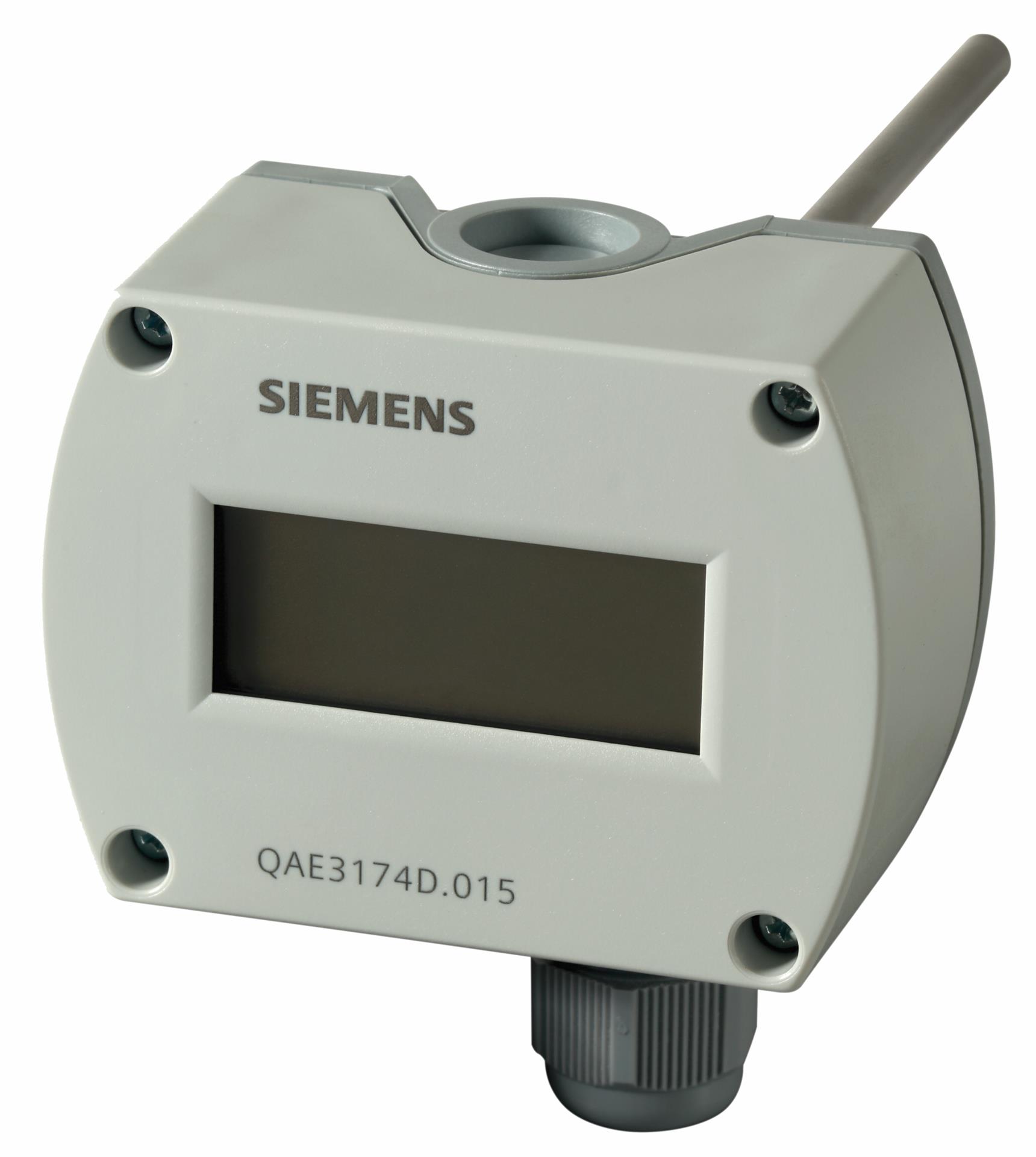


Humidity is a parameter that is often underestimated — until condensate, mold, or complaints about 'stuffy air' appear. Siemens humidity sensors help maintain a stable indoor climate, and they are often installed in rooms or ventilation ducts. In buildings with higher comfort requirements, this makes a very tangible difference.
Main features:


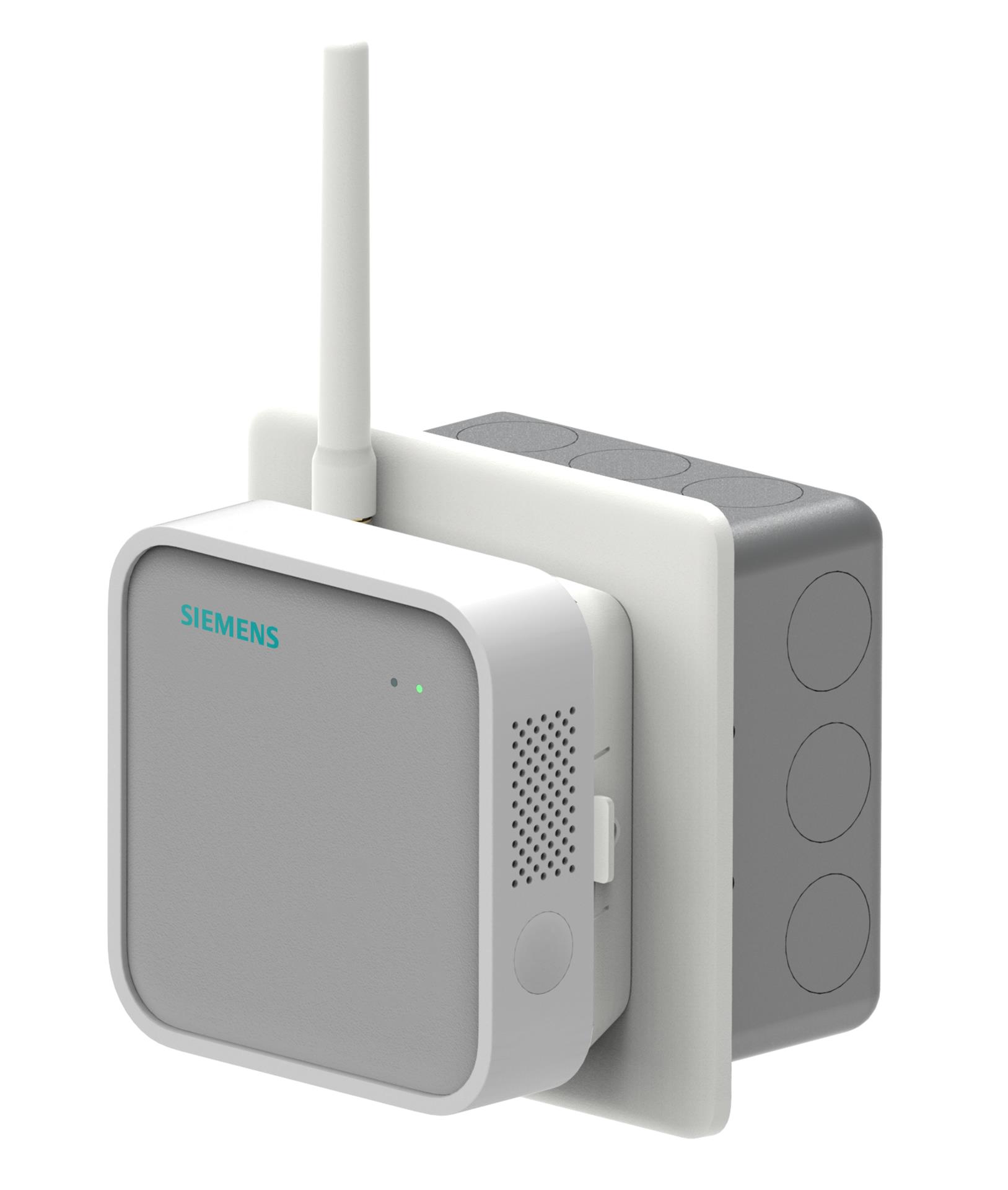
If the goal is 'smart' ventilation, air quality sensors are one of the most effective tools. Siemens sensors measure, for example, CO₂ (a good indicator of room occupancy) and VOC (volatile organic compounds — often associated with odors, chemicals, materials). This enables demand-controlled ventilation: provide more fresh air when the room is full, and reduce it when the room is empty.
Types:
Main features:



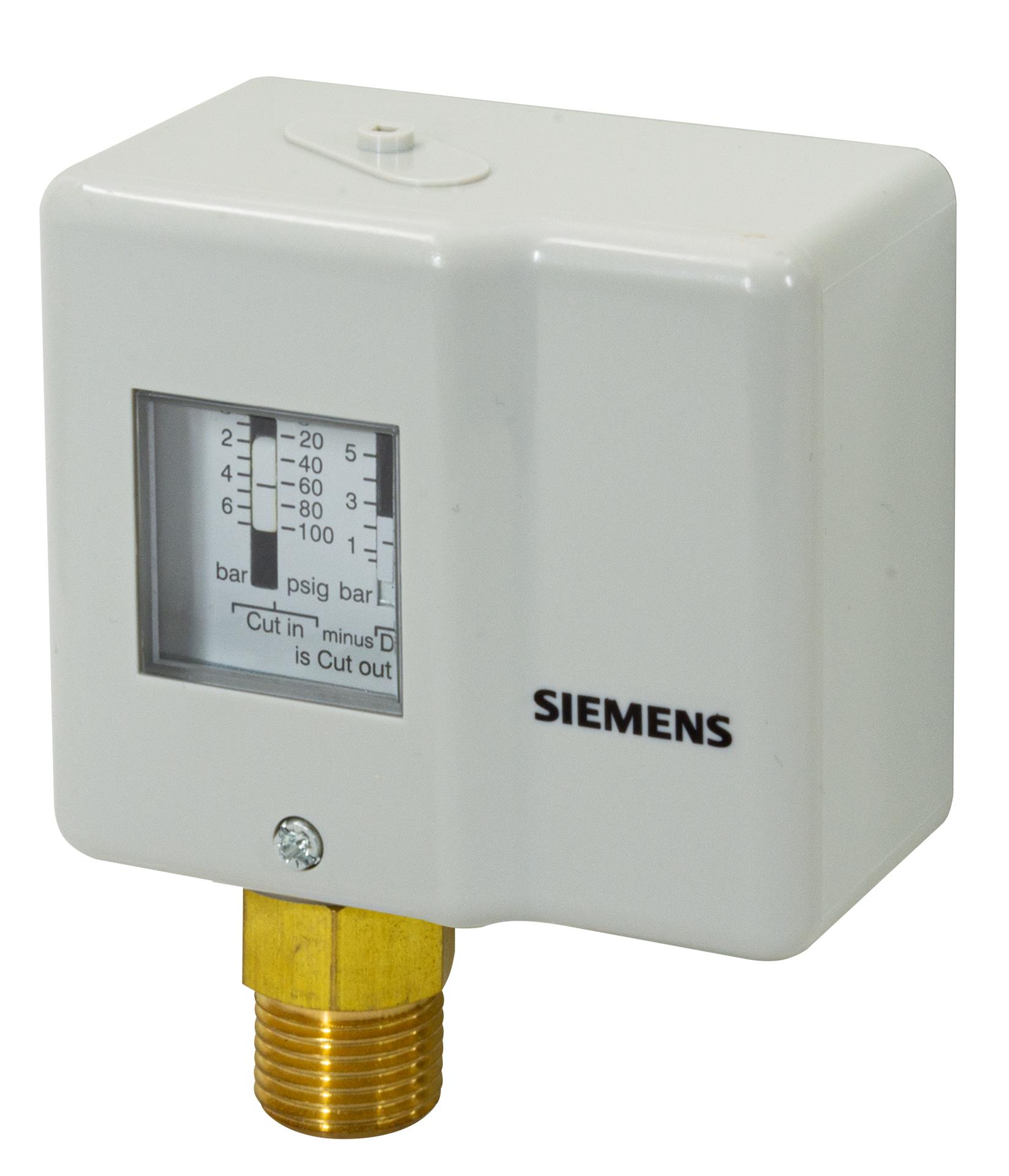
Pressure and differential pressure sensors in an HVAC system often work 'behind the scenes', but deliver very practical results: they help determine whether the system is breathing as it should. They are used, for example, for filter clogging control, airflow monitoring, and balancing of ventilation systems. Accurate pressure measurement allows problems to be detected in time before they turn into downtime or complaints.
Main features:


Sensors tell you what is happening, but actuators do the work. Air and water valve actuators are the actuators that, on a BMS signal, physically open/close/regulate the flow. Siemens offers a wide range of actuators for both simple zones and more complex systems. The most important practical benefits are precise control, quiet operation, and predictable reliability.
Main features:


The main reason is simple — a BMS can only be as smart as its data and execution. Siemens sensors and actuators provide a stable, predictable foundation — so HVAC operates based on the actual situation, not on 'guesswork'. The result is usually less excess consumption, fewer complaints, and smoother operation.
 Main benefits:
Siemens BMS sensors provide accurate measurements (temperature, humidity, CO₂/VOC, pressure), while valve actuators provide precise control. Together this delivers more stable HVAC operation, lower energy consumption, and better comfort. Most importantly, the right choice of sensor and actuator often solves more problems than 'one more piece of logic in the program'.
If you want to clarify what suits your specific situation, the ZTF Lāsma team can provide more information about Siemens BMS sensors and actuators and help find the most suitable option for your building automation task.