Level sensors (analogue)

Level sensors (analogue)

Analogue level sensors provide a continuous 4–20 mA or 0–10 V output proportional to liquid or bulk solid level — used across water treatment, chemical storage, oil & gas, food processing, and hydraulic systems. Engineers choose them where real-time level monitoring, PLC integration, and process control are required, rather than simple point-level switching.


Level sensors (analogue)

Latest products

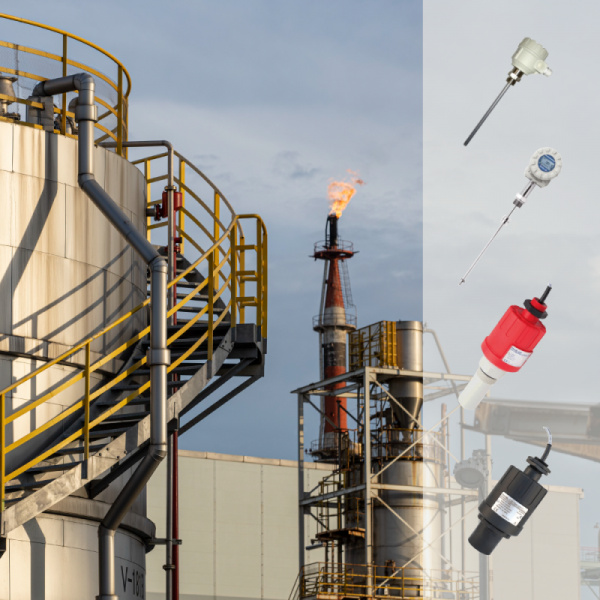
Hydrostatic, ultrasonic, radar, capacitance and magnetostrictive types

Analogue level sensors output a continuous signal — typically 4–20 mA (2-wire loop-powered) or 0–10 V DC — scaled across the full measurement range. This category covers five main technologies:

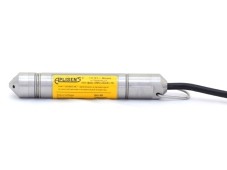
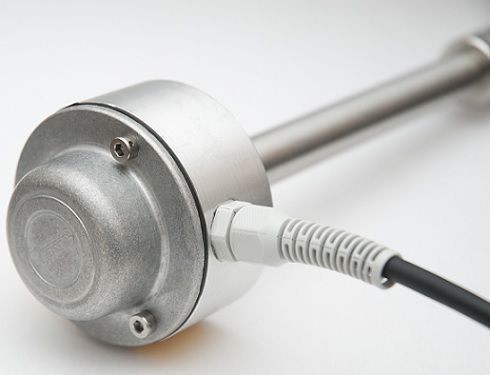
  • Hydrostatic submersible transmitters — measure liquid head pressure at the base of a tank or open sump; well-suited for water, wastewater, and deep vessels
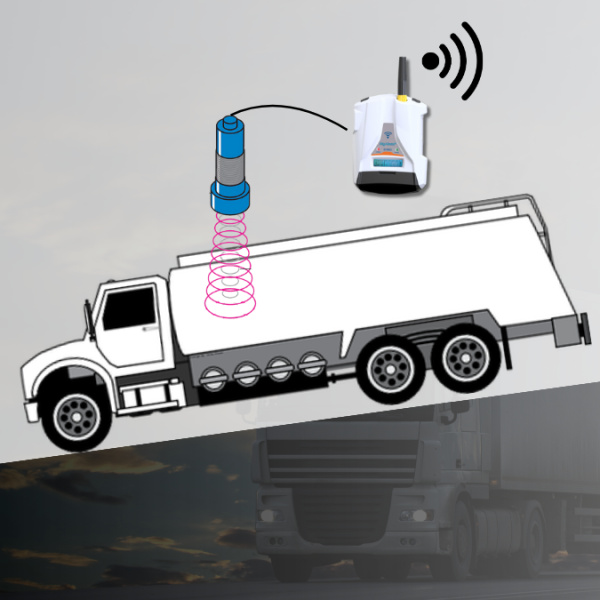
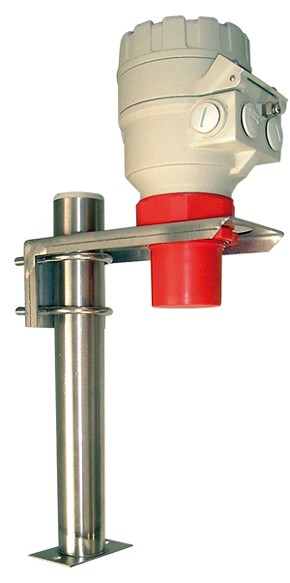
  • Ultrasonic transmitters — non-contact time-of-flight measurement; cost-effective for clean liquids, open channels, and stormwater applications
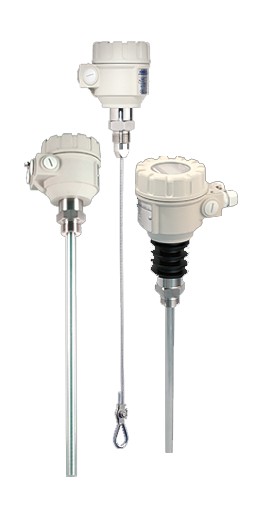
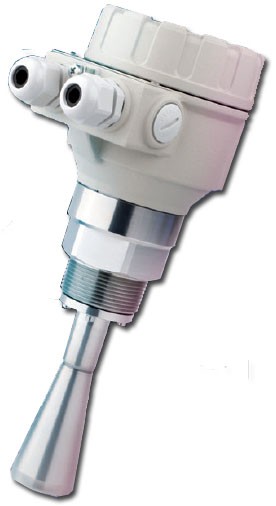
  • Radar and guided wave radar (GWR) — microwave-based, non-contact or probe-guided; preferred for vapour, foam, high temperature/pressure, or low-dielectric media such as hydrocarbons
  • Capacitance transmitters — probe measures dielectric change as medium rises; used for liquids, slurries, and bulk solids including food and pharmaceutical vessels
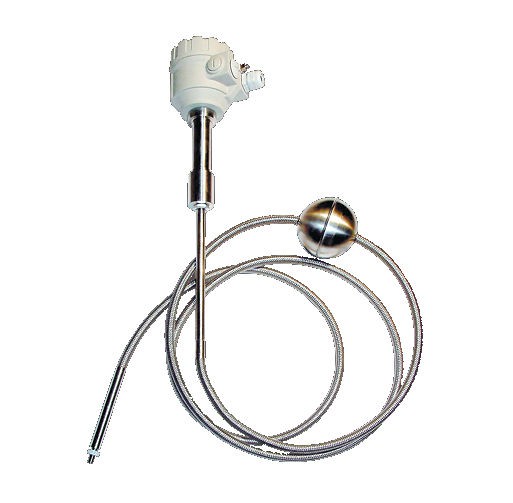
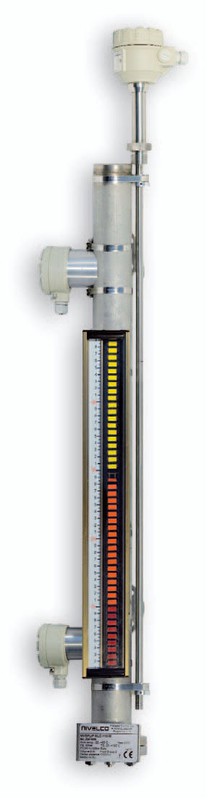
  • Magnetostrictive transmitters — float tracked via magnetostrictive wire; delivers high-resolution output for hydraulic reservoirs and fuel tank inventory

Key technical selection criteria

  • Output signal: 4–20 mA preferred for long cable runs and noise immunity; 0–10 V for short runs with compatible PLC inputs
  • Measurement range and blind zone: Ultrasonic sensors have a dead band (typically 100–500 mm) near the transducer — verify against maximum fill level
  • Process media: Liquid, slurry, bulk solid, foam, or vapour — each eliminates certain technologies
  • Dielectric constant (εr): Radar and capacitance sensors require minimum εr thresholds; critical for hydrocarbon and powder applications
  • Wetted materials: 316L SS for general use; PTFE or Hastelloy C for aggressive chemicals; hygienic connections for food/pharma
  • Process temperature and pressure: Standard sensors typically rated to 150°C; high-temperature radar extends to 400°C
  • IP rating: IP67 minimum for industrial use; IP68 for continuous submersion; IP69K for washdown environments
  • ATEX/IECEx: Required for Zone 0/1/2 (gas) or Zone 20/21/22 (dust) classified areas
  • HART protocol: Available on most 4–20 mA transmitters — enables remote diagnostics and configuration over existing wiring

Comparison overview

TypeContact with mediaTypical rangeBest suited for
HydrostaticYes0–100 mWater, wastewater, open sumps
UltrasonicNo0–15 mClean liquids, open channels
Radar / GWRNo / Probe0–40 mChemicals, hydrocarbons, bulk solids
CapacitanceYes0–10 mLiquids, slurries, food/pharma
MagnetostrictiveFloat0–5 mHydraulic oil, fuel tanks

When should I choose radar over ultrasonic for level measurement?

Choose radar when the application involves vapour, foam, high temperature or pressure, or low-dielectric media — conditions where ultrasonic signals attenuate or reflect unreliably. Ultrasonic is sufficient for clean liquids in moderate conditions.
Can I use a hydrostatic submersible sensor in an open pit or sump?

Yes — submersible hydrostatic transmitters are designed for this. Specify IP68 rating, a vented cable for atmospheric pressure reference, and sufficient cable length for the installation depth.
What does the blind zone on an ultrasonic level sensor mean in practice?

The blind zone (typically 100–500 mm below the transducer) cannot be measured. Ensure the maximum fill level of your tank stays below this zone, or select a sensor with a shorter specified dead band.

Do all 4–20 mA level transmitters support HART communication?

Not all — HART must be specified explicitly. It is standard on most process-grade transmitters from manufacturers such as Endress+Hauser, VEGA, and Rosemount, but not always included on lower-cost industrial sensors.