 Facebook
 Google
 LinkedIn
https://lasma.eu/en/search/products
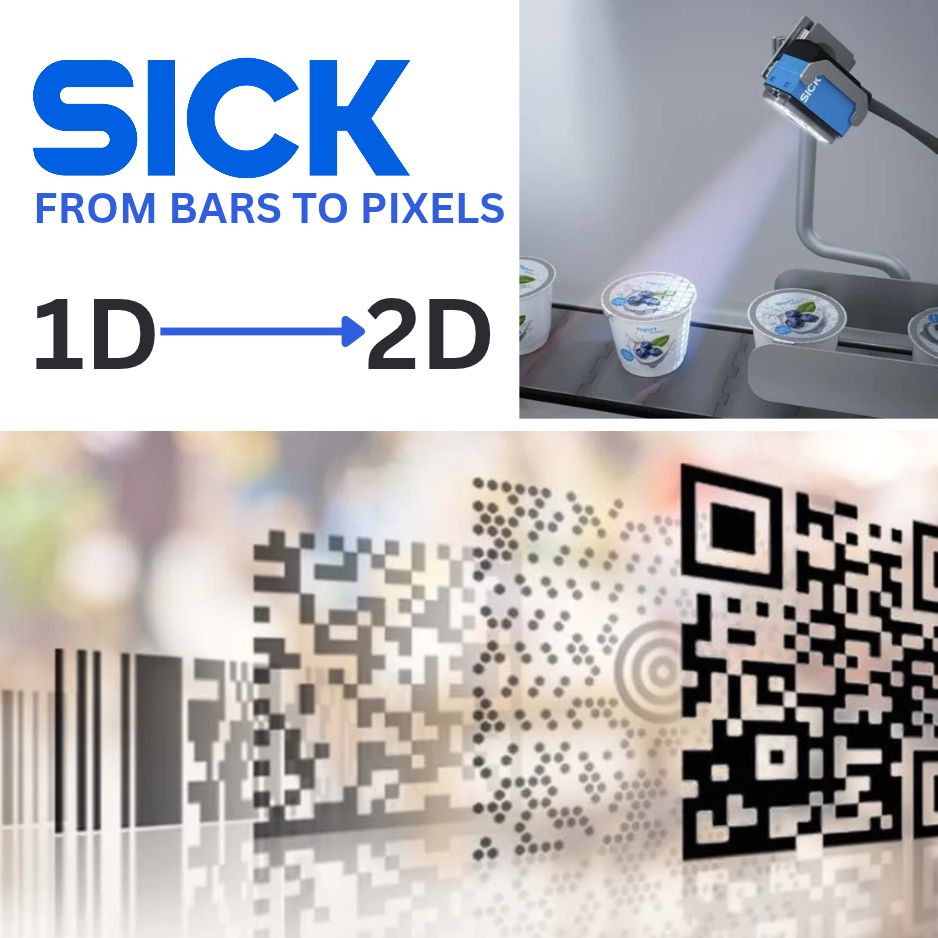
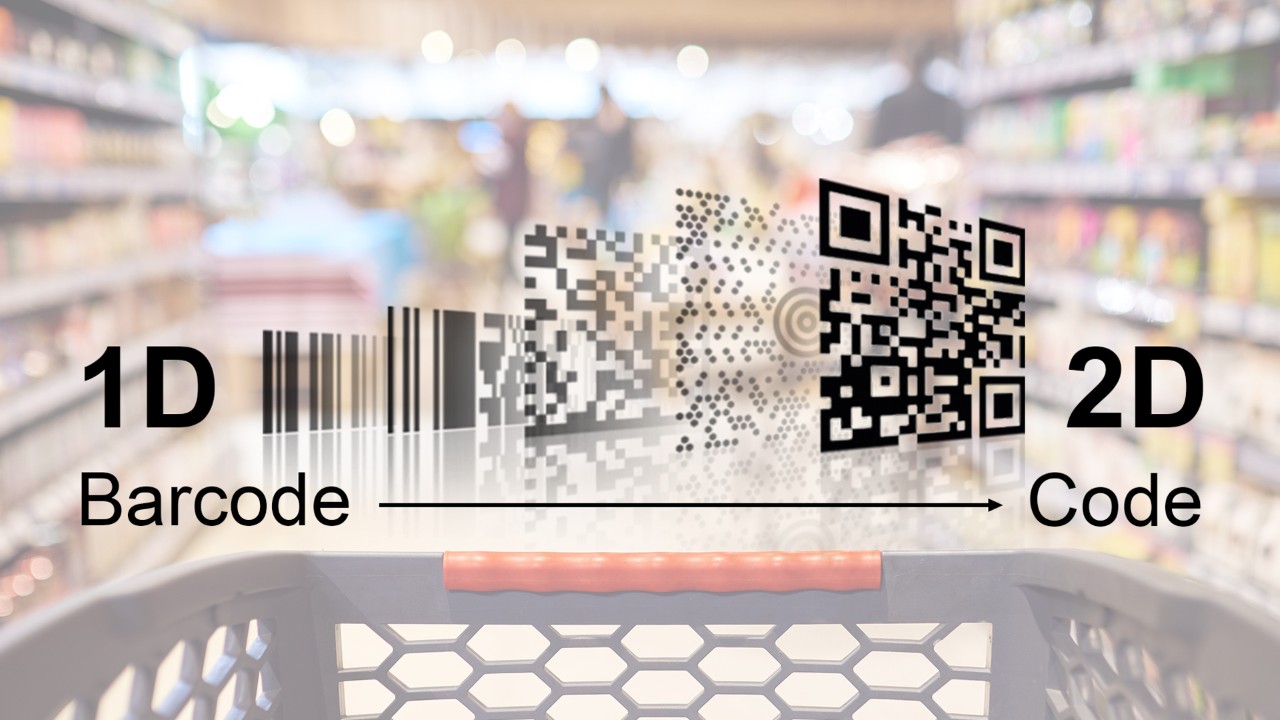
The transition from traditional 1D barcodes to 2D codes makes it possible to combine product identification with information about the batch, serial number, expiry date and other essential data in a single label. Together with modern image scanners, this can improve product traceability, automate quality control and facilitate everyday processes in manufacturing, logistics and retail.
The traditional EAN or UPC barcode primarily identifies the product. In contrast, a GS1-compliant 2D code can also include:
batch or serial number;
production and expiry date;
weight or other variable data;
a link to information about the product composition, origin, use or recycling.
Additional data makes it possible to track the movement of goods more accurately, manage product recalls and control expiry dates. For example, the system can identify in time a product whose expiry date is approaching, apply a price reduction or prevent its sale after the specified date.
Criterion | 1D code | 2D code |
|---|---|---|
Main task | Product identification | Identification and additional data |
Amount of information | Limited | Multiple data fields |
Traceability | At product type level | At batch or individual item level |
Link to the web | Not intended | Possible with GS1 Digital Link |
Reading | Dependent on line orientation | Possible in different orientations |
The value of a 2D code arises when scanners and the company's software can use the read data in everyday processes.
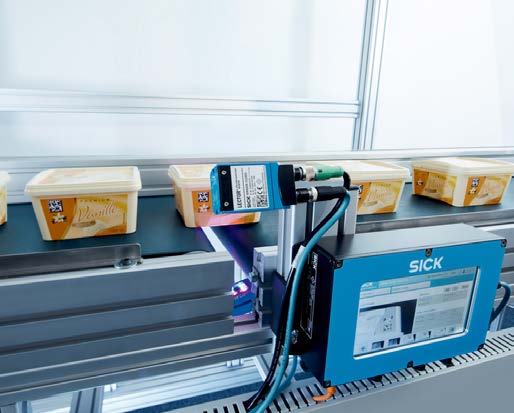
SICK emphasizes that the transition to 2D codes is not only a change in packaging design. The following must also be taken into account:
print quality
product movement speed
reading distance
packaging material
surface reflections
data transfer to company systems.
SICK Lector image scanners are designed for reading 1D, 2D and combined codes in production and logistics environments. Depending on the model, they offer automatic parameter configuration, adjustable illumination and focus adjustment. This allows existing 1D codes to continue being used in one process and 2D codes to be introduced gradually.
In addition, virtually imperceptible Digimarc DWCode digital watermarks are embedded in the packaging print structure, which can facilitate automated reading, quality control and packaging sorting. A digital watermark is an additional technology, not a mandatory requirement for the introduction of 2D codes.
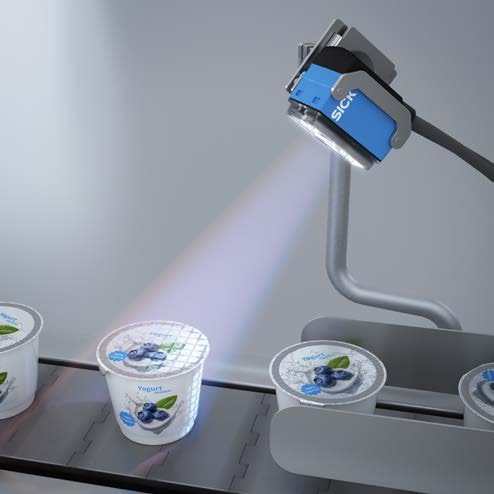
The goal of the GS1 Sunrise 2027 initiative is to ensure that by the end of 2027 retail systems can process both traditional EAN/UPC, and certain GS1 2D codes. This is not a general legal obligation to abandon 1D codes. During the transition, both label types can be used in parallel.
Preparation can begin gradually:
Define the practical objective - traceability, expiry control or quality inspection.
Select the required data and the most suitable code type.
Check the readiness of printing equipment, scanners and software.
Test the solution in one product group or production line.
Align data usage with logistics and sales partners.
Early assessment does not mean immediate equipment replacement. It helps understand in which processes 2D codes can provide practical benefit and how to implement the transition gradually without affecting existing operations.