


 Facebook
 Google
 LinkedIn
https://lasma.eu/en/search/products

A pneumatic cylinder can move, stop and complete its stroke exactly as commanded, but without position feedback, the control system has no way of knowing whether that movement actually happened. This is where SME, SMT, SDBT and SDAT sensors come into play, each offering a different approach to position detection depending on the application.
Festo magnetic sensors give the PLC reliable feedback on whether the piston has reached the required end or intermediate position, all without mechanical contact with the piston. Choosing the right sensor therefore depends not only on where the piston needs to be detected, but also on the required switching technology, electrical interface and level of position information.
In an automated machine, a cylinder may move a part, close a gripper or press a workpiece. Without a position signal, the PLC can only rely on a predefined delay after sending the command. However, that delay does not confirm the actual state of the mechanism. Sensor feedback allows the next process step to begin only after the required position has been reached and also helps detect jamming, insufficient pressure or mechanical deviations sooner.
The cylinder piston contains a built-in permanent magnet, while the sensor is mounted outside the cylinder, usually in a T or C groove. When the piston approaches the sensor, the magnetic field is detected through the cylinder profile, causing the sensor to change its electrical output signal. In a simple machine, one sensor confirms the retracted position and another confirms the extended position of the cylinder.
A binary sensor does not measure the exact piston position. It indicates whether the magnet is within the defined detection zone.
A binary sensor does not measure the exact piston position. It indicates whether the magnet is within the defined detection zone. If continuous position information is required, a linear position transmitter should be used.
In a reed sensor, the magnetic field mechanically closes hermetically sealed contacts. The Festo SME family uses this simple operating principle. Depending on the version, the reed sensor can operate with either DC or AC. The service life of the mechanical contact, switching frequency and load limits must be taken into account.
A magnetoresistive element changes its electrical properties under the influence of a magnetic field. Festo SMT sensors do not have a mechanically switched contact, making them suitable for fast cycles and a high number of switching operations. PNP, NPN, NO, NC and two-wire versions are available. Electronic sensors also typically include protection against short circuits, overload and reverse polarity, but the sensor output must be compatible with the PLC input.
A Hall sensor electronically measures the effect of the magnetic field. Festo uses this technology in the programmable SDBT-MSX switch and the SDAT-MHS continuous position transmitter. This makes it possible to detect the magnet position across a wider sensing range.
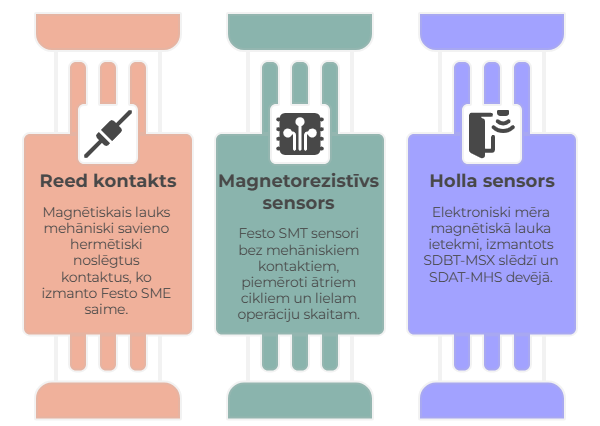
Functional comparison of the sensor series. Exact parameters depend on the full order code.
Family | Principle | Signal | Typical application |
|---|---|---|---|
SME-8M / SME-10M | Reed contact | Binary | Simple end-position monitoring, including AC applications |
SMT-8M-A / SMT-10M | Magnetoresistive | Binary | Standard automation applications and fast cycles |
SDBT-MSX | Hall | Programmable binary | Fast setup and use in hard-to-access locations |
SDAT-MHS | Hall | Analog, IO-Link or PNP | Continuous position measurement |
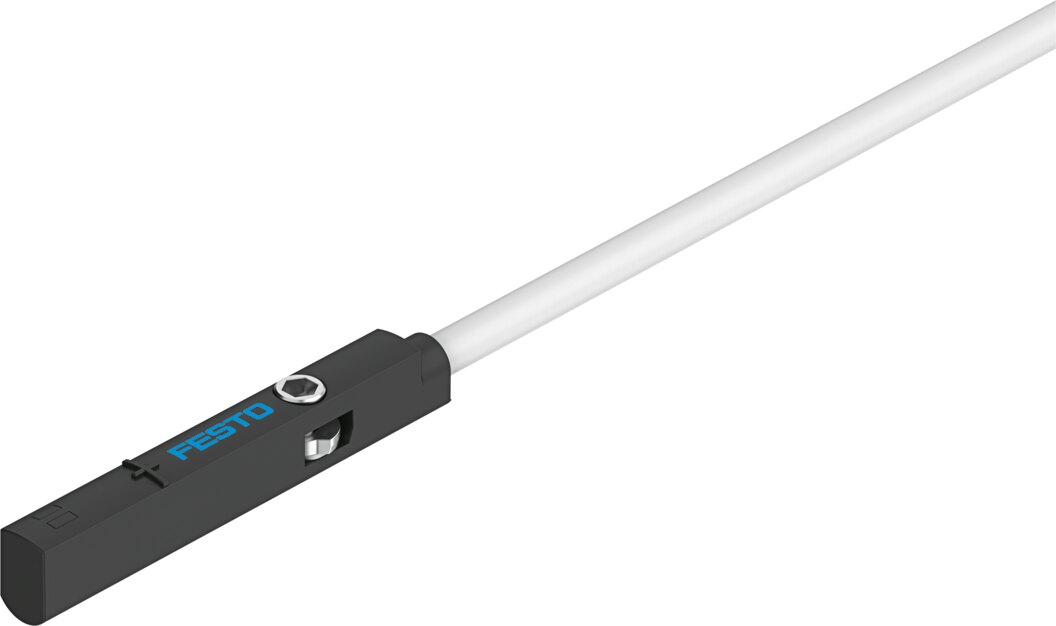
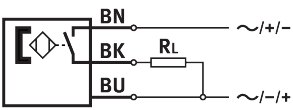
The SME-8M is designed for T-grooves, while the SME-10M is intended for C-grooves. Specific SME-8M versions operate within a 5–30 V AC/DC range and at ambient temperatures from −40 to +70 °C. SME is suitable when a simple contact solution or AC operation is required, provided that the load limits specified in the data sheet are observed.
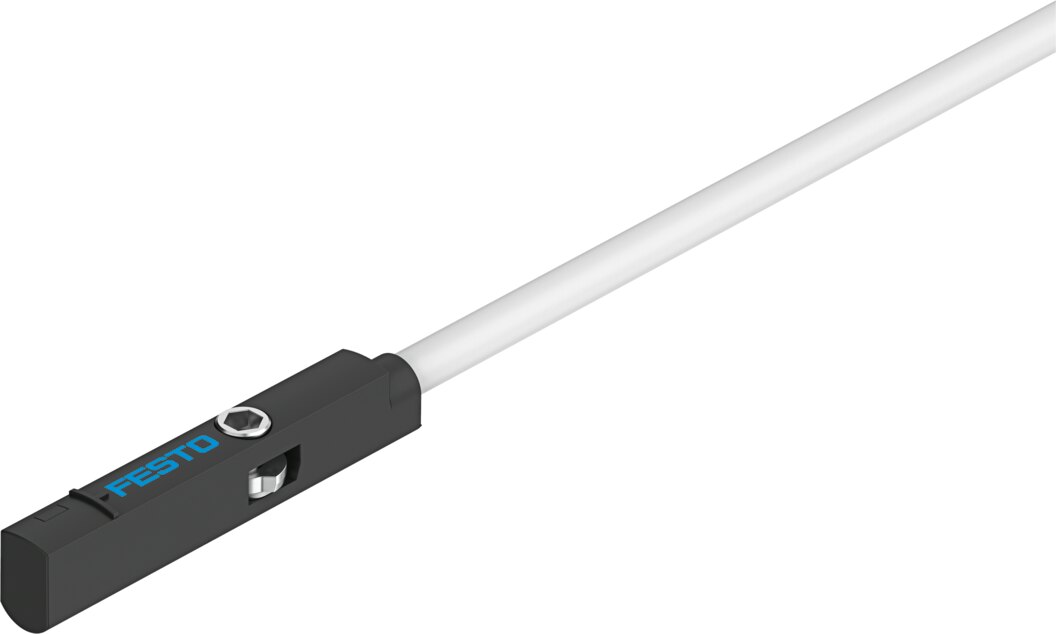
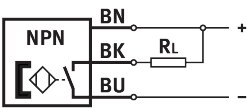
The SMT-8M-A is a compact sensor for T-grooves that can be inserted into the groove from above. Various output types, cable options and M8 or M12 connections are available. Festo documentation specifies a repeatability of 0.2 mm and a switching frequency of up to 180 Hz. For cylinders with C-grooves, the SMT-10M performs a similar function.
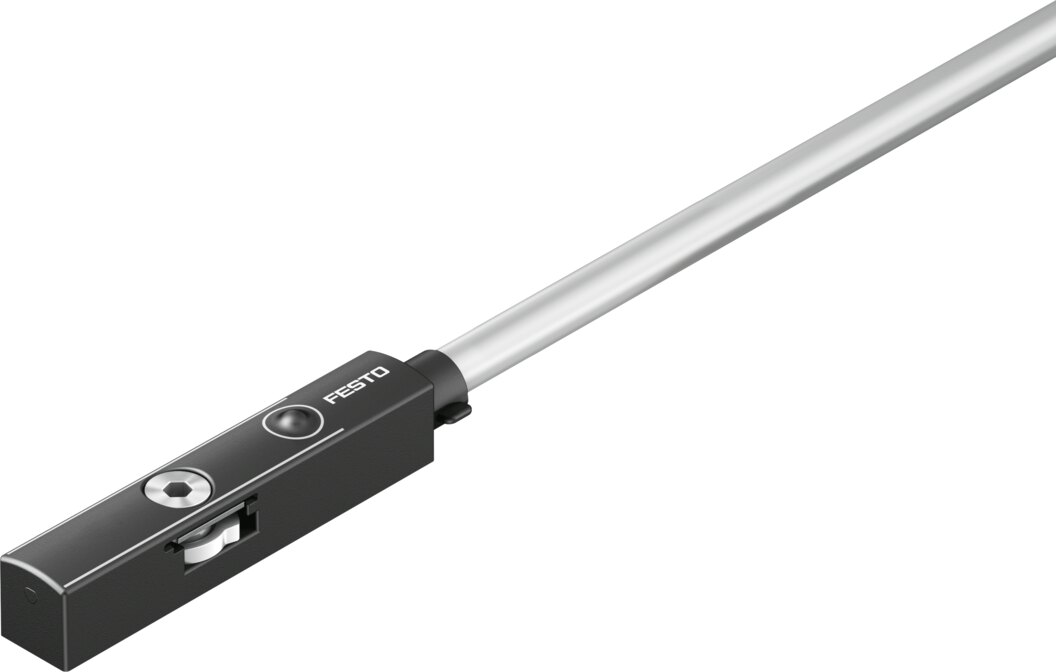
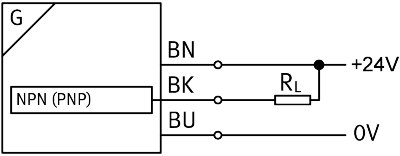
The SDBT-MSX has a 20 mm detection zone and an Auto teach-in function. The sensor is installed so that the cylinder end position lies within the marked zone. During operation, the sensor automatically determines the switching point. The PNP or NPN output, NO or NC function and a switching window between 2 and 15 mm can be configured.
The data sheet specifies a repeatability of 0.1 mm, a switching frequency of up to 200 Hz, a 10–30 V DC supply voltage and IP65, IP68 and IP69K protection ratings.
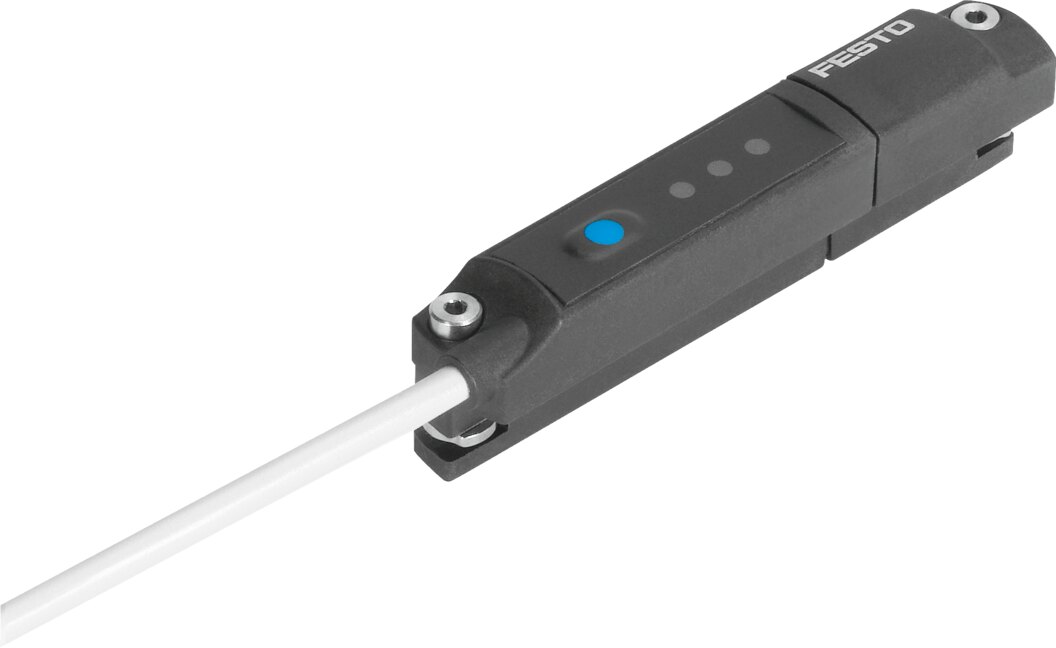
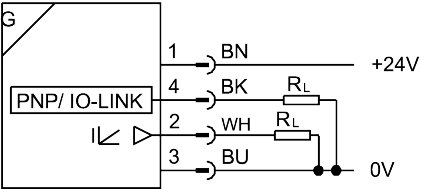
The SDAT-MHS measures piston movement over ranges of 50, 80, 100, 125 or 160 mm. Position data can be transmitted as a 0–10 V or 4–20 mA analog signal, via IO-Link or through a programmable PNP output. Festo specifies a resolution of 0.05 mm, a repeatability of 0.1 mm and a typical linearity error of ±0.25 mm.
These values describe different characteristics. Resolution is the smallest detectable change in position, repeatability indicates the ability to obtain the same result under the same conditions, and linearity describes the deviation from the ideal measurement curve. Therefore, resolution alone is not sufficient to assess the actual accuracy of the transmitter in a specific process.
Such a transmitter is useful in clamping, pressing and quality-control processes where the piston stop position can help determine the condition or size of a part.
IO-Link is a standardized bidirectional point-to-point connection in accordance with IEC 61131-9. In addition to process data, it enables the transmission of parameters and diagnostic information. SDAT-MHS settings can be managed from the control system and restored more quickly after device replacement. For simple end-position monitoring, this level of functionality is usually not required.
Determine the required information. For end-position detection, SME, SMT or SDBT is usually sufficient. For continuous position measurement, a position transmitter such as the SDAT-MHS is required.
Check mechanical compatibility. Sensors for T and C grooves are not interchangeable. Round cylinders or tie-rod cylinders may require a mounting kit. The specific combination of cylinder type, diameter and full sensor order code must be checked.
Match the electrical interface. Check the supply voltage, PNP or NPN output, NO or NC function, number of wires, PLC input type, cable and connector.
Evaluate dynamics and environmental conditions. Switching frequency, hysteresis, piston speed, temperature, humidity, vibration, cleaning agents and cable movement may all be relevant. Special properties apply only to specifically designated versions.
PNP and NPN define the electrical operating principle of the output, while NO and NC describe the signal state when the magnet is not present. These designations should not be confused. A sensor may fit the cylinder mechanically but still be incompatible with a specific PLC input circuit. Variants within the same sensor family may also differ in the number of wires, connector type and output function, so the full order code should always be used when selecting a sensor.
Before ordering, it is useful to record the full cylinder code, groove type, required switching function, PLC input type, supply voltage, connector, cable length and environmental requirements in one place. This short checklist reduces the risk of selecting a sensor that is mechanically suitable but electrically incompatible.
A binary sensor is moved along the groove until the indicator switches reliably at the required piston position. The setting should be checked over several cycles under the actual load, pressure and speed. The sensor should preferably be positioned with some margin inside the switching zone rather than at its boundary.
The documentation for the SMT-8M-A and SDBT-MSX specifies a maximum mounting screw tightening torque of 0.6 Nm. The permissible cable bend radius and suitability for use in moving energy chains must also be observed.
Safety: a standard magnetic cylinder sensor is not automatically considered a functional safety sensor. If the signal is used for personal protection, a risk assessment and verification of the entire control architecture are required.
First, SME and SMT are different solutions. SME uses a mechanical reed contact, while SMT uses an electronic magnetoresistive element. SMT is generally better suited to fast and frequent cycles, while SME can be a suitable choice for simple end-position monitoring.
Second, a standard binary sensor monitors one defined position. Two sensors are usually used to confirm both end positions of a cylinder. If the “position reached” signal is not sufficient and the actual piston position within a defined measurement range is required, a position transmitter such as the SDAT-MHS should be used.
Third, sensor selection should not be based solely on the operating principle. Cylinder compatibility, groove type, electrical interface, PNP or NPN output, NO or NC function, supply voltage, connector and operating environment must also be checked. The SDBT-MSX can simplify setup through automatic switching point teach-in, while the SDAT-MHS provides continuous position feedback and IO-Link functionality.
If you need advice on FESTO solutions, feel free to contact our engineers. We will help assess your company's needs and select the most suitable solution for your specific application.