

 Facebook
 Google
 LinkedIn
https://lasma.eu/en/search/products

The use of different communication protocols in the same automation system is not unusual at all. It is often even a necessity to create a stable and precisely functioning system as well as a cost-effective machine. In production and other equipment, to ensure an automatic cycle of operation, it is necessary to control a bunch of both physical and chemical parameters.
The control of each of these parameters has its own characteristics and its own special know-how, which results in a wide range of manufacturers and in the end in a varied range of protocols.
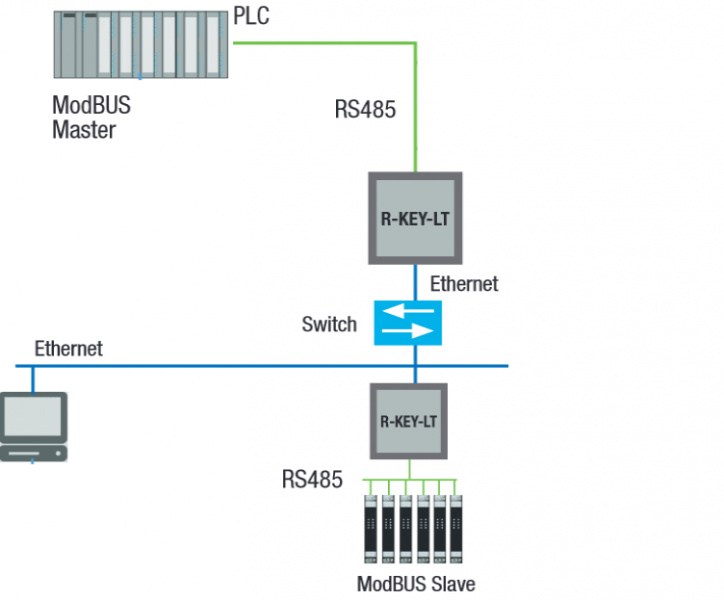
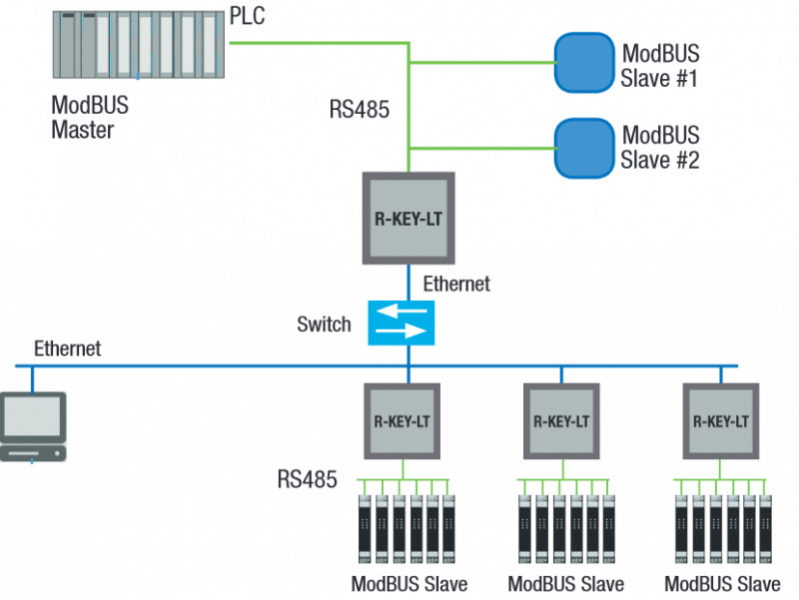
Among the most widely used protocols among manufacturers of automation components are Modbus TCP/IP and Modbus RTU. Very often these two communication networks are used in the same system. Just as often, these protocols must be converted from one to the other so that the end system can interpret the received data correctly.
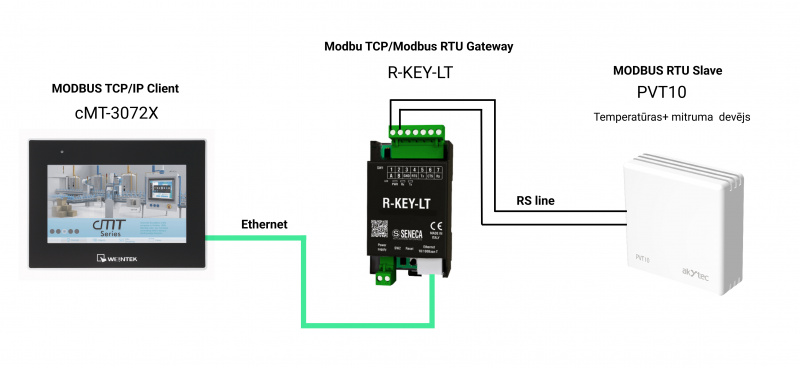
The most popular case: a Modbus TCP/IP Client device needs to read data from a Modbus RTU slave device.
Other articles and video materials about GATEWAY products: