

 Facebook
 Google
 LinkedIn
https://lasma.eu/en/search/products
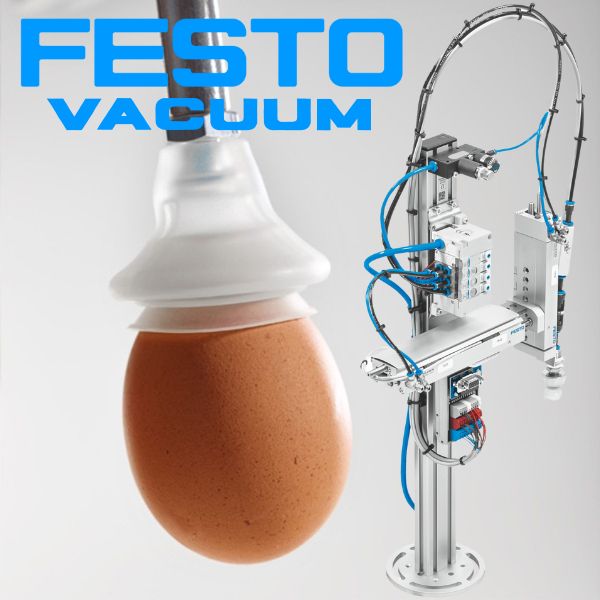
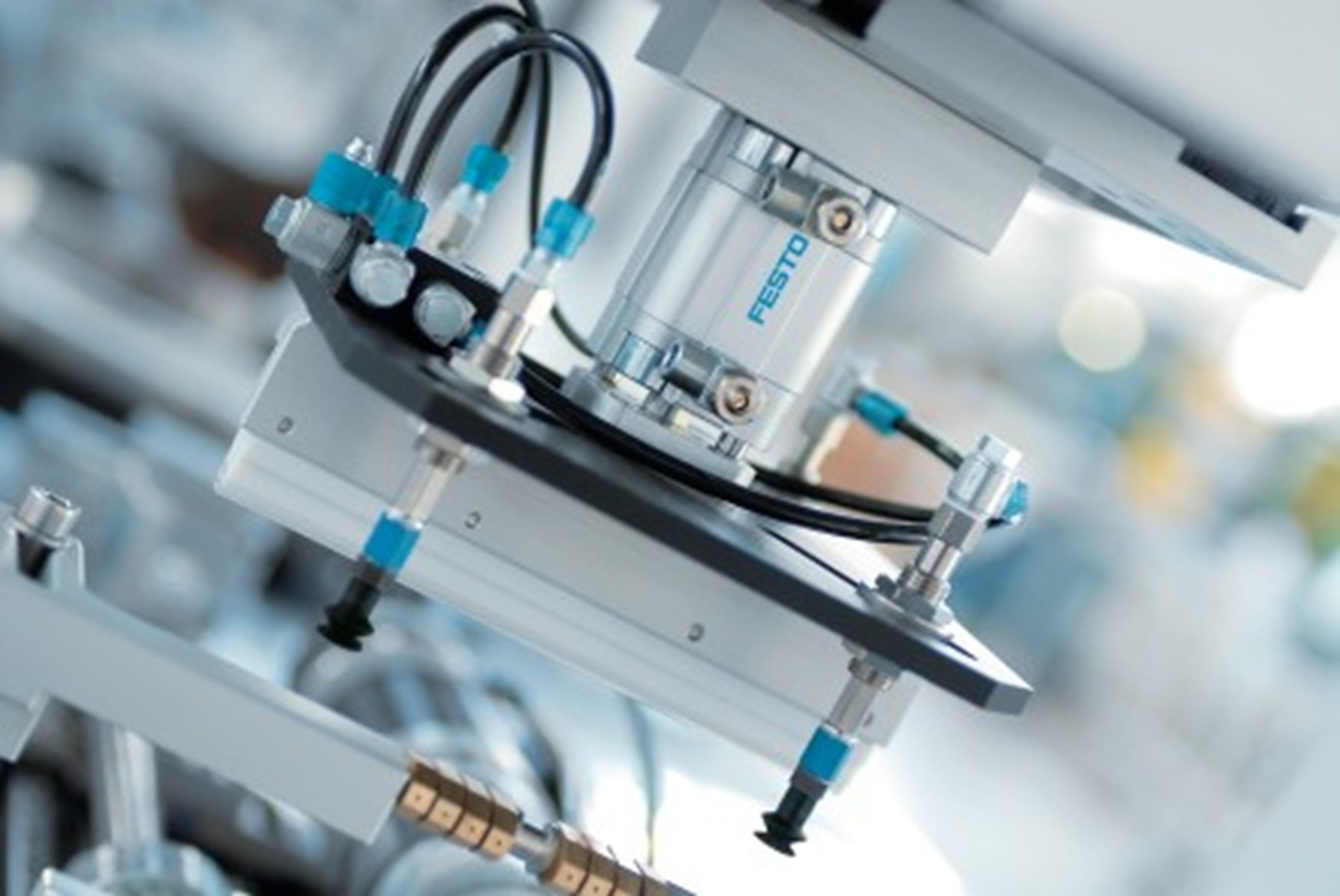
Vacuum technology has become a crucial foundation of modern automation systems, especially in robotics and the automotive industry. From material handling and gripping to precise positioning – vacuum systems offer an efficient and reliable solution. Two main components play a significant role in these systems: suction cups and vacuum generators, which operate on the Venturi nozzle principle. The company Festo, a global leader in automation technology, has developed advanced vacuum solutions that ensure high performance, flexibility, and cost efficiency.
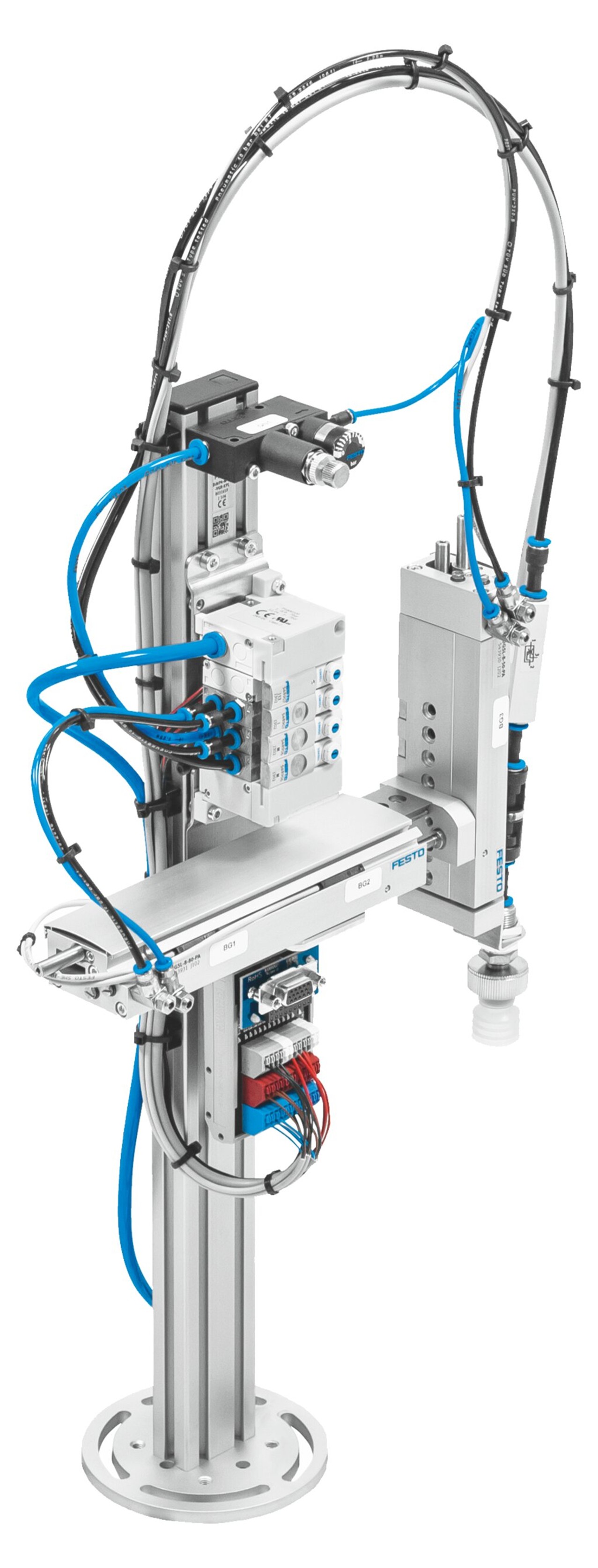
In a typical vacuum system, vacuum shut-off valves, filters, and vacuum sensors for pressure monitoring are also important – they help maintain a stable process and reduce maintenance costs.
Vacuum technology uses the principle of rarefaction to grip, move, and position objects. This process forms the basis of many industrial machines where precise control over objects is required without using traditional mechanical grippers or fastening systems.
The main advantage of vacuum systems in automation and robotics is their ability to handle a wide range of materials and shapes without causing damage. Unlike traditional mechanical systems, which often require complex tooling or individual attachments, vacuum systems easily adapt to various shapes, sizes, and weights.
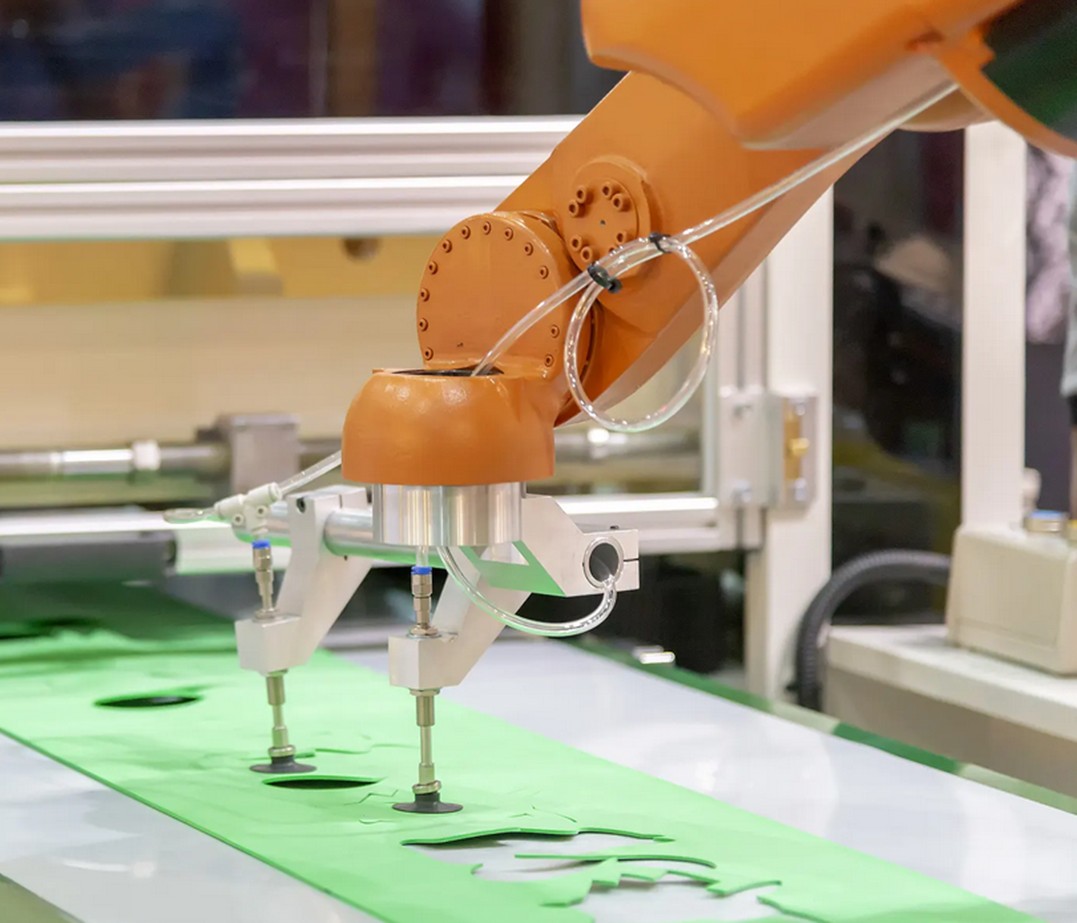
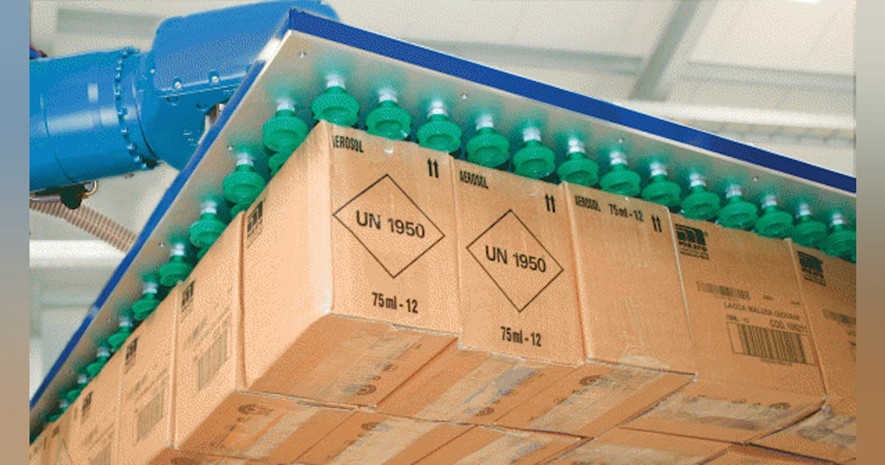
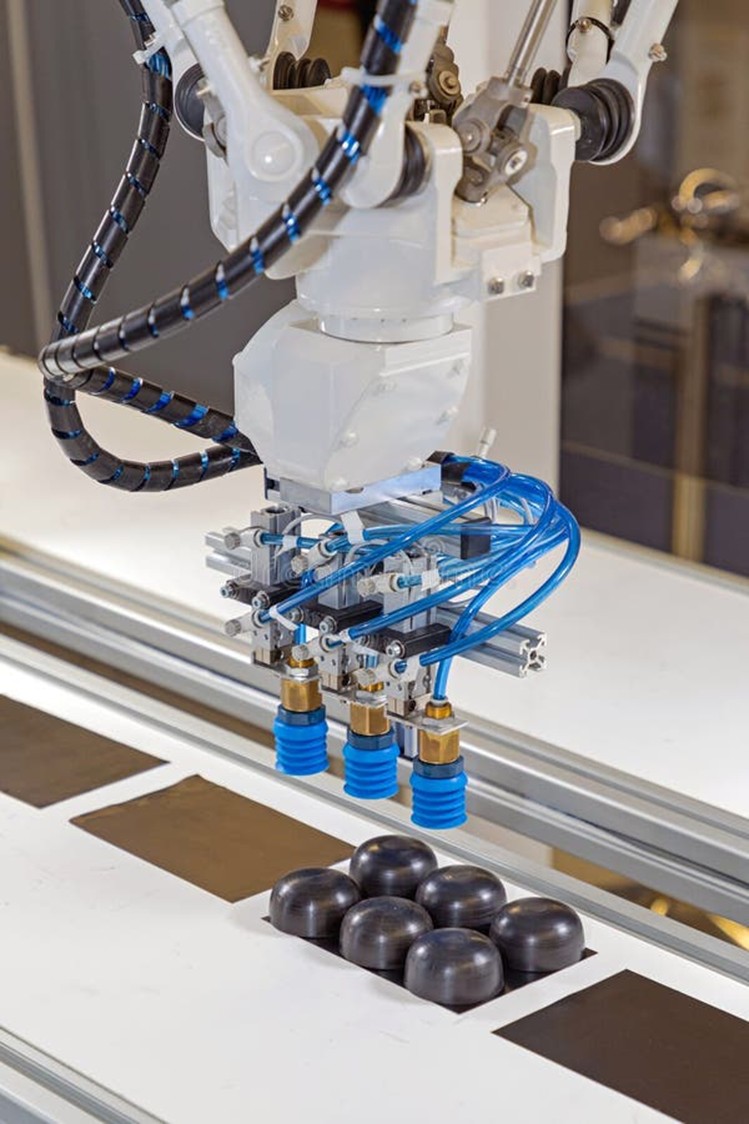
In robotics, vacuum grippers enable robots to pick, transport, and place parts with minimal contact, thereby reducing the risk of damage to sensitive materials or products. Similarly, in automation systems, vacuum technology is used in various fields – loading and unloading machines, assembly lines, and packaging processes.
The use of flexible compensators and joints in suction cup mounts allows for compensation of surface irregularities and part geometry tolerances.
Vacuum suction cups are one of the most important components in a vacuum system – they are the “link” between the part and the vacuum. Their main function is to create a seal on the surface of the object, generating a vacuum that allows lifting, transporting, and precise positioning of parts.
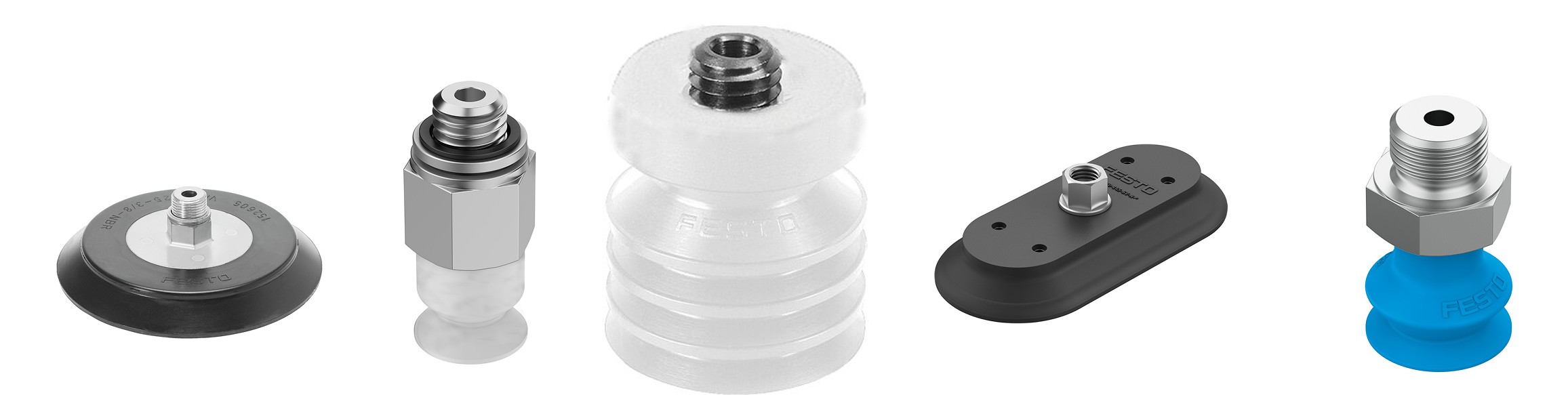
Festo offers a wide range of vacuum suction cups designed for various materials and applications. The choice of vacuum suction cup depends on the material, the shape of the object, and the required gripping force. Festo vacuum suction cup “caps” are made from various elastomers – silicone, polyurethane (PU), NBR, FPM – which allow them to be used on smooth, porous, and oily surfaces.
Elastomer suction tips – These are the most commonly used and versatile suction tips in industrial applications. They offer high flexibility and are well-suited for smooth surfaces.
Silicone vacuum suction cups – are ideal for handling delicate or sensitive materials, such as glass or electronics, food. Silicone vacuum suction cups provide a softer, gentle grip while maintaining excellent sealing, but they have low wear resistance.
Polyurethane vacuum suction cups – are durable and wear-resistant, making them ideal for handling abrasive or rough materials. They also maintain a strong grip during prolonged use.
NBR vacuum suction cups – are used for their excellent wear resistance, oil resistance, and weather resistance in applications involving smooth, non-porous surfaces, such as metal, glass, and certain plastics.
FPM vacuum suction cups – are used for handling very hot workpieces, such as removing hot parts from molds or handling hot glass. Thanks to FPM's high-temperature resistance, they are suitable for specialized applications.

Shapes and adaptability
Additionally, Festo vacuum suction cup caps are available in round and oval shapes to better adapt to the shape of the part or product being suctioned, ensuring the maximum contact area between the suction cup and the object.
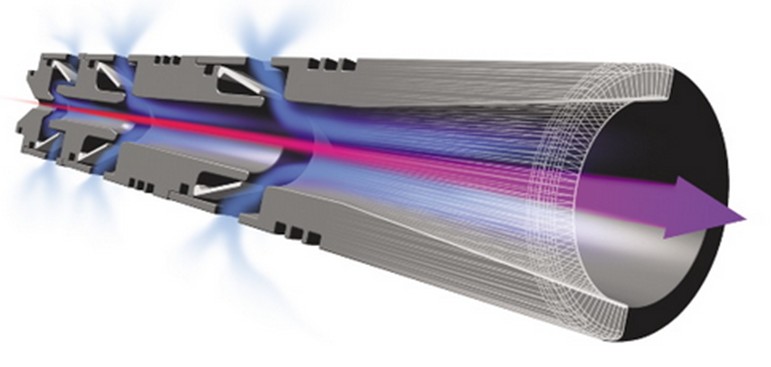
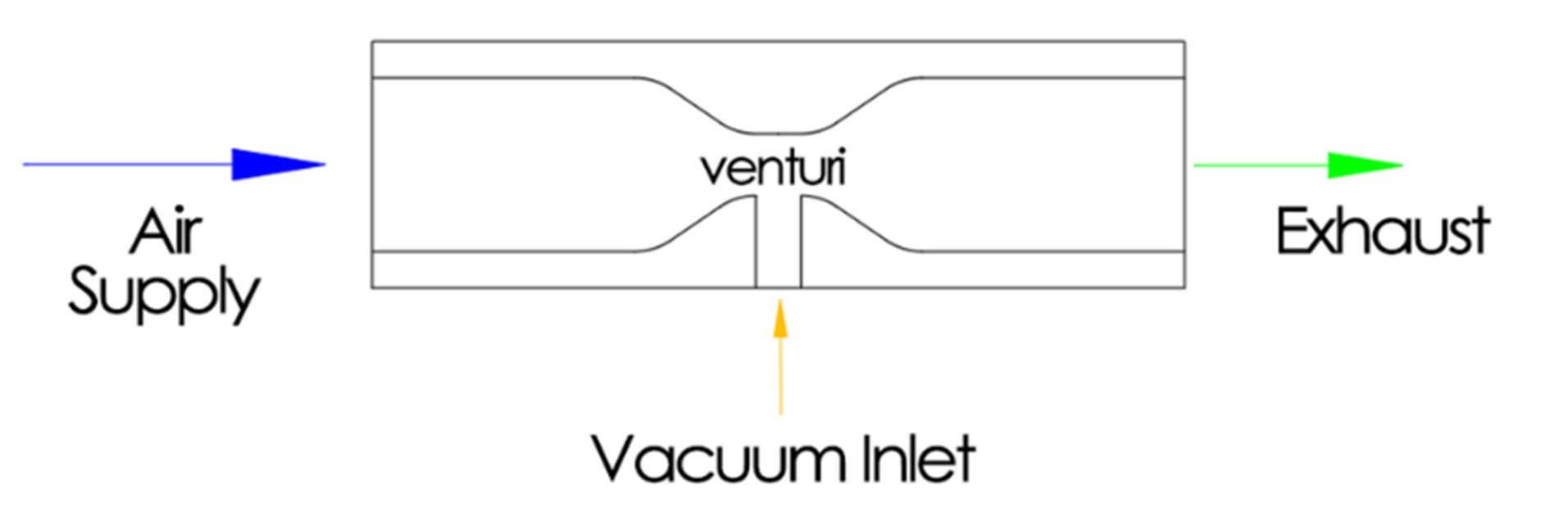
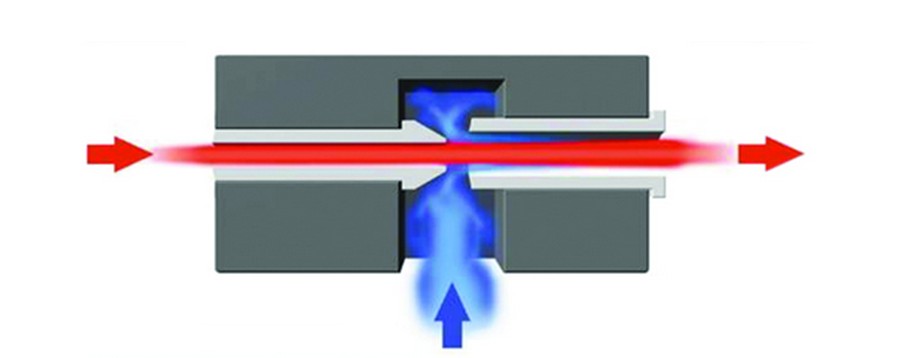
Vacuum generators, also known as vacuum ejectors, create the necessary vacuum for the operation of vacuum suction cups. They use the Venturi nozzle principle: as air flows through a constriction, the flow velocity increases, and the pressure drops, creating a low-pressure zone that can lift objects.

Configurations
Single-stage ejectors – for light to medium lifting applications.

Multi-stage ejectors – for larger/challenging loads; higher suction power and efficiency.

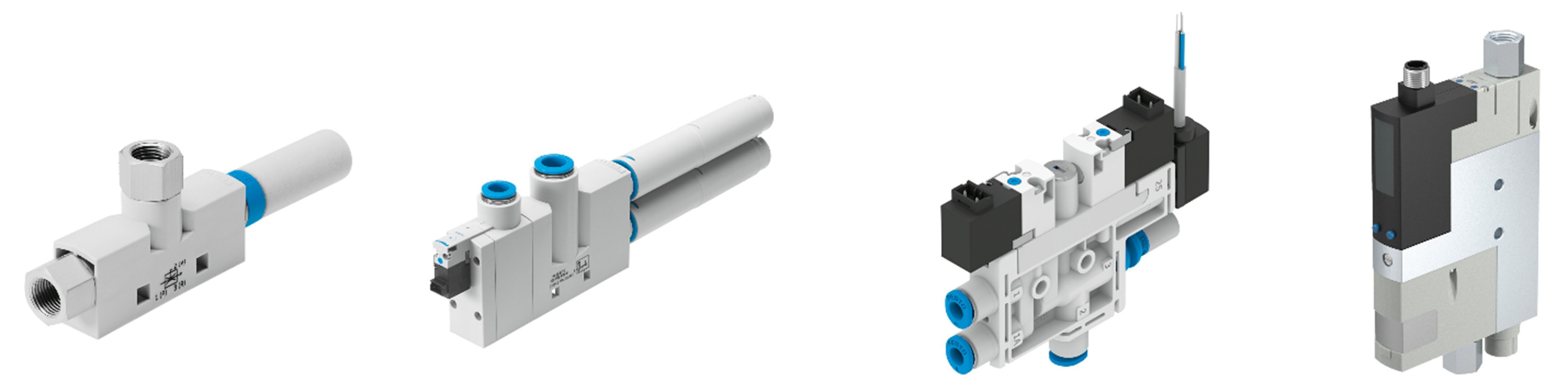
Festo vacuum generators are compact, efficient, and designed for high performance. The Venturi principle allows for quick and precise vacuum generation without an external vacuum pump – particularly useful in spaces where space and energy savings are important.
Energy efficiency is enhanced by vacuum holding modes and venting valves, which speed up part release and shorten cycle times.
The Venturi nozzle principle is an efficient way to generate vacuum compactly, easily, and reliably, making it ideal for integration into robotic arms and automated handling systems. Its design eliminates the need for large, bulky pumps, making vacuum systems more compact and cost-effective.
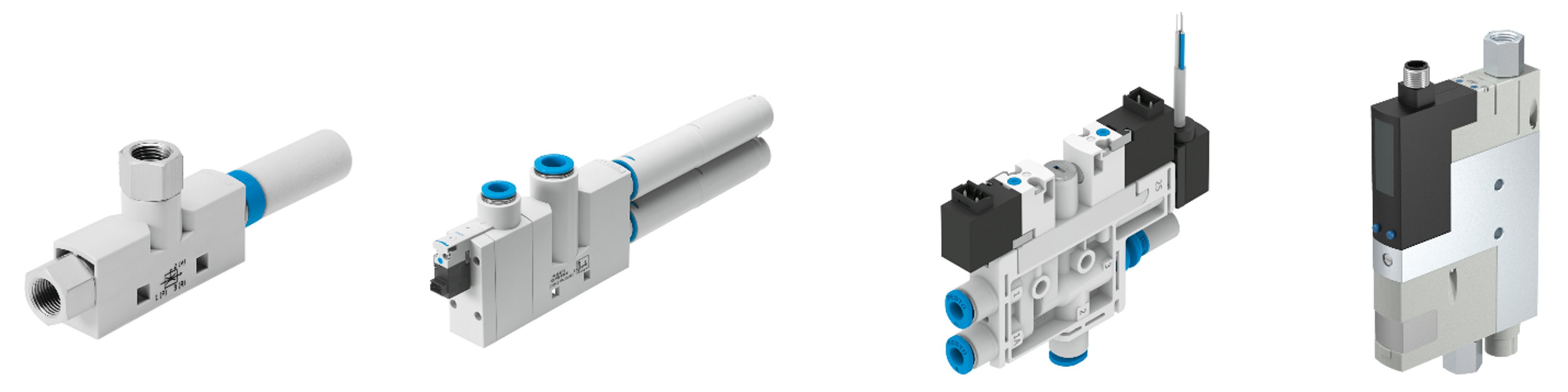
Creating a vacuum using a vacuum ejector offers several advantages compared to a traditional vacuum pump.
The automotive industry chooses vacuum technology for various applications, ranging from assembly and processing to quality control. Vacuum systems are used to grip, position, and move automotive parts such as doors, engine hoods, windows, and panels.
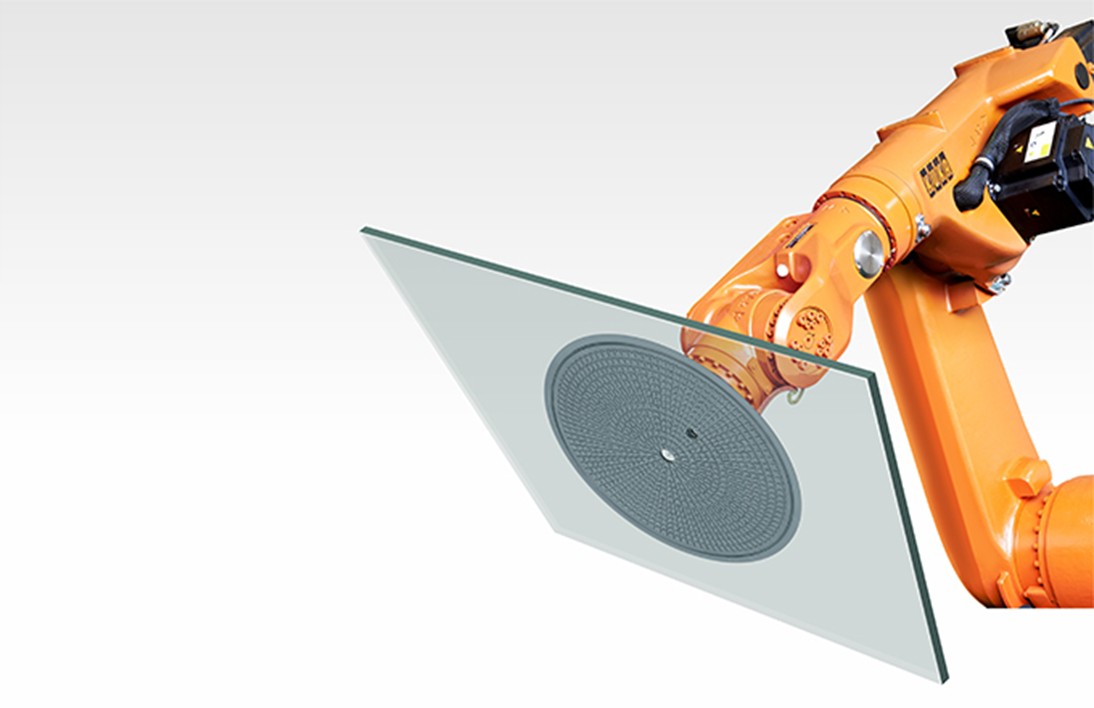
 One example of using vacuum technology in the automotive sector is glass processing. Suction grippers made of soft and delicate material - Silicone, are used to grip and handle automotive glass. The vacuum generated by Festo vacuum generators ensures secure, mark-free gripping and holding while the glass is precisely positioned on the assembly line.
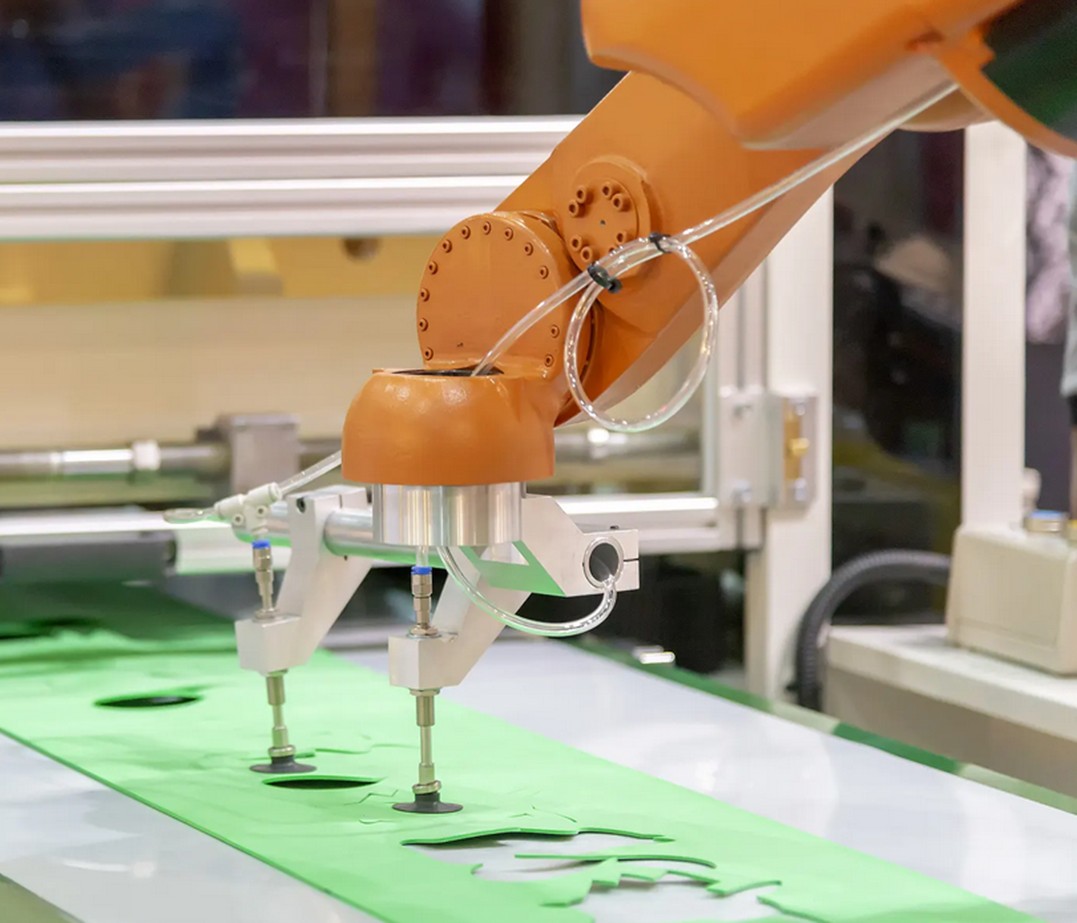 Similarly,in automotive assemblyvacuum systems are used to precisely position parts, such as engine blocks, doors, or panels. By combining Festo suction cups and vacuum ejectors, it is possible to automate the assembly and mounting of complex components without fear of mechanical damage or scratches on delicate surfaces or painted parts.
Vacuum technology has significantly transformed automation and robotics, especially in automotive manufacturing, where high precision and flexibility are required. Festo vacuum system components – suction cups and vacuum generators – ensure efficiency, reliability, and adaptability.
The advantages of vacuum ejector systems – energy efficiency, fast response time and minimal maintenance – make them an indispensable part of the modern industrial environment. As industries continue to seek faster, more reliable, and cost-effective solutions for material handling, gripping, and positioning, vacuum technology will continue to play a leading role in the future of automation and robotics.